
Achimenes grandiflora
Achimenes grandiflora
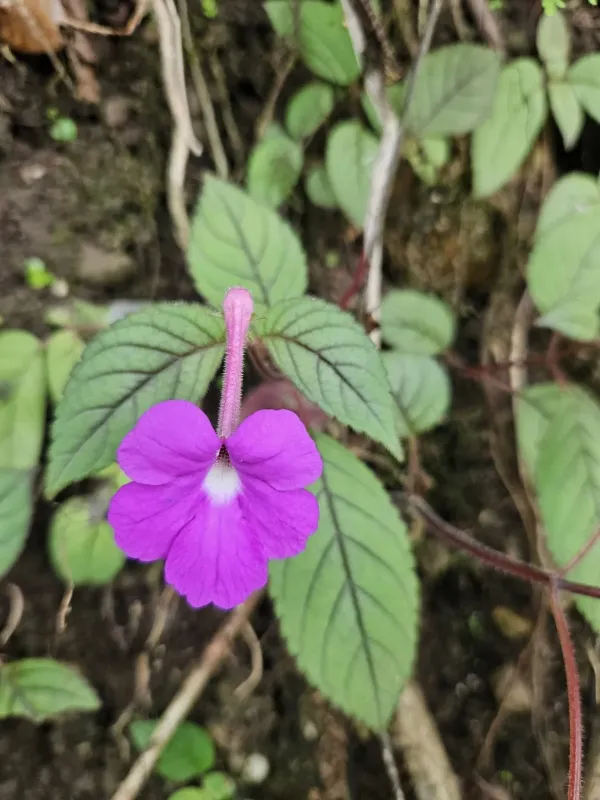
Description
Growing requirements
Achimenes grandiflora is a perennial herbaceous plant belonging to the Gesneriaceae family. Originally native to the tropical forests of Central and South America, it is a rhizomatous species that thrives in warm, humid environments with dappled sunlight.
For optimal growth, this crop requires ambient temperatures between 20°C and 25°C. It is sensitive to direct solar radiation, which can cause leaf scorch, making a location with bright, indirect light the ideal environment for its developmental stages.
The substrate must be highly porous and well-draining to prevent root asphyxiation. A mixture consisting of high-quality peat, leaf mold, and coarse sand or perlite is recommended to maintain the necessary soil structure and moisture balance.
Watering management is a critical aspect of Achimenes grandiflora agronomy. The soil should remain consistently moist but never waterlogged, as the scaly rhizomes are highly susceptible to fungal rot under conditions of poor drainage.
During the active growth phase, supplemental fertilization is required to support biomass production and flowering. Balanced water-soluble fertilizers applied in lower concentrations on a bi-weekly basis yield the best results for plant health and floral intensity.
Main diseases and pests
Spider mites are the most common pest affecting this crop, particularly in low-humidity conditions. They feed on the sap of the leaves, leading to chlorosis and stunted growth if not addressed with appropriate acaricides or increased humidity.
Thrips present a significant challenge by damaging both foliage and blooms. Regular inspection and the use of systemic insecticides are essential strategies to maintain the aesthetic and physiological integrity of the plant.
Fungal pathogens such as grey mold (Botrytis) frequently emerge in poorly ventilated environments with excess stagnant moisture. Proper spacing and airflow are crucial cultural practices to mitigate these risks and maintain a healthy plant canopy.
Root rot is often a consequence of poor agronomical practice, such as overwatering or the use of improper soil mixes. The diagnostic signs include the softening of the stems at the soil line and the eventual decay of the scaly rhizomes beneath the surface.
Maintaining high hygiene standards in the greenhouse or growing area, including the sterilization of pots and tools, is vital. Controlling environmental parameters effectively prevents the primary drivers of stress that make the plants vulnerable to infections.