
Zuckia brandegeei
Zuckia brandegeei
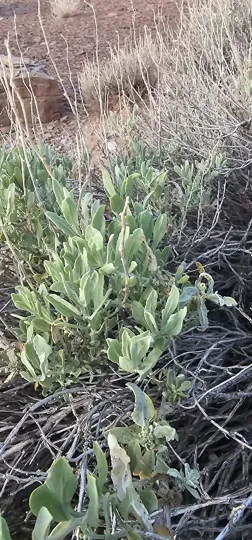
Description
Growing requirements
Zuckia brandegeei is a hardy perennial subshrub belonging to the Amaranthaceae family. It is a specialized plant species adapted to thrive in the harsh, arid environments of North America, particularly in desert regions.
The plant is native to saline and gypsum-rich soils, which are typical of desert habitats. It demonstrates remarkable tolerance to high temperatures, intense solar radiation, and prolonged periods of drought.
Botanically, it features adaptations for water retention, such as reduced leaf surface area and robust root systems designed to extract moisture from deep, rocky soil horizons.
For cultivation, it requires a well-draining mineral substrate that mimics its natural desert soil. Excessive irrigation is strictly contraindicated, as it leads to root rot and systemic failure of the plant's health.
Its primary current role is in ecological restoration, specifically for stabilizing degraded saline soils where common agricultural crops cannot survive. It is valued for its role in preventing wind erosion in arid landscapes.
Main diseases and pests
The main threats to Zuckia brandegeei are habitat fragmentation and significant changes in soil chemistry due to human activity. As a specialized halophyte, it is highly sensitive to any sudden shifts in its environmental conditions.
Pests such as aphids and spider mites can occasionally affect the plant in greenhouse or nursery settings. Regular inspections of the foliage are recommended to prevent infestations from spreading.
Fungal diseases are almost exclusively linked to improper moisture management. If the substrate remains waterlogged for extended periods, pathogens like Pythium or Phytophthora can quickly damage the root crown.
To mitigate disease risks, growers should ensure excellent ventilation and implement a strict "dry-between-waterings" regimen. Using inorganic, sterile substrates helps prevent the introduction of pathogens.
Weed competition is generally not a major concern due to the plant's niche habitat, but manual removal of encroaching vegetation is advised during the initial establishment phase to reduce competition for nutrients.