
Zingeria pisidica
Zingeria pisidica
Description
Growing requirements
Zingeria pisidica is a perennial grass species belonging to the Poaceae family, primarily distributed within the mountainous regions of Turkey. This species is known for its resilience and ability to thrive in harsh, rocky environments where nutrient availability is limited.
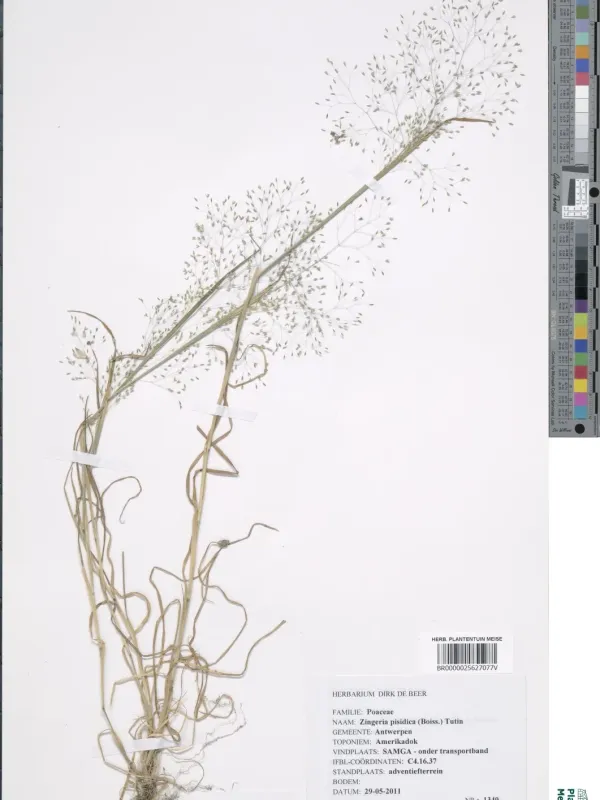
Botanically, the plant develops in compact clumps with thin, narrow leaves and delicate inflorescences typical of the Poeae tribe. Its root system is exceptionally efficient at extracting moisture from rocky substrates, which is a key adaptation for surviving in semi-arid alpine climates.
The plant demonstrates high tolerance for extreme temperature fluctuations, ranging from cold nights to hot days. It prefers neutral to slightly alkaline soils with excellent drainage, as the species is highly sensitive to waterlogging, which can cause severe stress.
Regarding climatic needs, Zingeria pisidica requires significant solar radiation to complete its reproductive cycle. It is highly adapted to high-altitude ecosystems and is typically found in open, unsheltered areas where competition from taller shrub species is naturally minimized.
From an agricultural perspective, Zingeria pisidica serves as a valuable genetic resource for breeding programs focused on developing drought-resistant forage varieties. Its ability to colonize marginal lands provides an essential foundation for the ecological restoration of damaged mountain pastures.
Main diseases and pests
Like many wild grasses, Zingeria pisidica is susceptible to rust pathogens, particularly during unusually humid spring months. These fungi can manifest as orange or yellow pustules on foliage, reducing the plant's capacity for carbon assimilation and hindering growth.
Cereal aphids are common pests that target the plant by feeding on the sap of young stems and leaves. Intense infestations can cause yellowing and stunted growth, weakening the plant's ability to produce viable seeds before the onset of the dormant season.
Mechanical damage caused by livestock overgrazing poses a constant threat to populations of this grass. Excessive trampling leads to soil compaction, which inhibits root respiration and reduces the overall vigor of the perennial clumps over successive seasons.
Root rot pathogens become a significant issue if the plant is grown in areas with poor drainage or stagnant water. Since the species is biologically tuned for well-drained slopes, it lacks effective defense mechanisms against prolonged saturation of the root zone.
Competition from invasive plant species represents a major indirect threat. As grazing pressure increases in its native habitats, more aggressive weeds often displace this sensitive grass, leading to a fragmented distribution of its natural populations.