
Zenia insignis
Zenia insignis
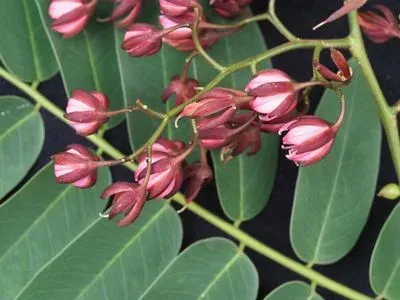
Description
Sowing dates
Zenia insignis, a member of the Fabaceae family, requires specific seed preparation to ensure successful germination, particularly the scarification of its hard seed coat.
Sowing is typically performed at the onset of the rainy season to allow seedlings to establish deep root systems before the onset of dry conditions.
Seeds should be planted in well-draining nursery beds or containers with a sterile potting mix to minimize the risk of soil-borne diseases during emergence.
Proper spacing during the initial nursery phase is essential to prevent overcrowding, which can lead to elongated, weak stems susceptible to environmental stress.
Consistent moisture levels must be maintained during the first few weeks following germination to ensure the plant transitions successfully to field conditions.
Growing requirements
This species thrives in tropical climates characterized by warm temperatures and sufficient humidity, which are essential for its rapid biomass accumulation.
The tree prefers deep, fertile, and well-drained loamy soils but displays a remarkable ability to adapt to a variety of soil types in its native range.
Full sun exposure is a critical requirement for Zenia insignis, as it is a light-demanding species that suffers from reduced vigor if grown under heavy canopy.
The plant demonstrates moderate drought tolerance once established, making it suitable for reforestation projects in regions with distinct dry seasons.
Soil pH should ideally be neutral or slightly acidic, which facilitates optimal nutrient uptake, particularly the symbiotic nitrogen fixation typical for this family.
Yield
Zenia insignis is highly valued for its durable and high-quality wood, which is utilized in local woodworking, construction, and high-end timber applications.
The species provides significant ecological benefits in agroforestry, including nitrogen fixation, which improves soil health for associated agricultural crops.
Yield metrics for this tree are often measured by the rate of wood volume production, which is significantly enhanced by proper silvicultural management practices.
Pruning is recommended to encourage a straight, knot-free trunk, which substantially increases the commercial value of the harvested timber over time.
Sustainable harvesting strategies ensure that the tree can provide ecosystem services while remaining a viable source of economic income for rural communities.
Main diseases and pests
Common threats to Zenia insignis include fungal pathogens that affect root health, especially in sites where water management is poorly implemented.
Insect pests, such as defoliating caterpillars and borers, can impact the vigor of young trees if populations are not managed through integrated pest control.
Prevention is the primary defense, involving the removal of infected plant debris and the use of resistant seed stock in areas prone to specific outbreaks.
Environmental stressors such as extreme flooding can also lead to the decline of plantations, emphasizing the need for selecting high-elevation sites for planting.
Monitoring for early signs of leaf spot or discoloration is vital for maintaining the aesthetic and structural integrity of the individual trees in the stand.
Harvesting
Seed harvesting is conducted when the pods begin to dry and change color on the tree, signaling that the embryos have reached full maturity.
Timing the harvest is crucial to prevent the pods from splitting prematurely and scattering seeds on the forest floor, which makes manual collection difficult.
Timber harvest must follow strict silvicultural guidelines to ensure regeneration, often involving the selection of mature trees while leaving younger ones intact.
Post-harvest processing includes drying the wood in controlled environments to reach equilibrium moisture content, preventing warping and checking.
Collected seeds should be cleaned of impurities and stored in cool, dry conditions to maintain their viability until the following planting season.