
Xylotheca kraussiana
Xylotheca kraussiana
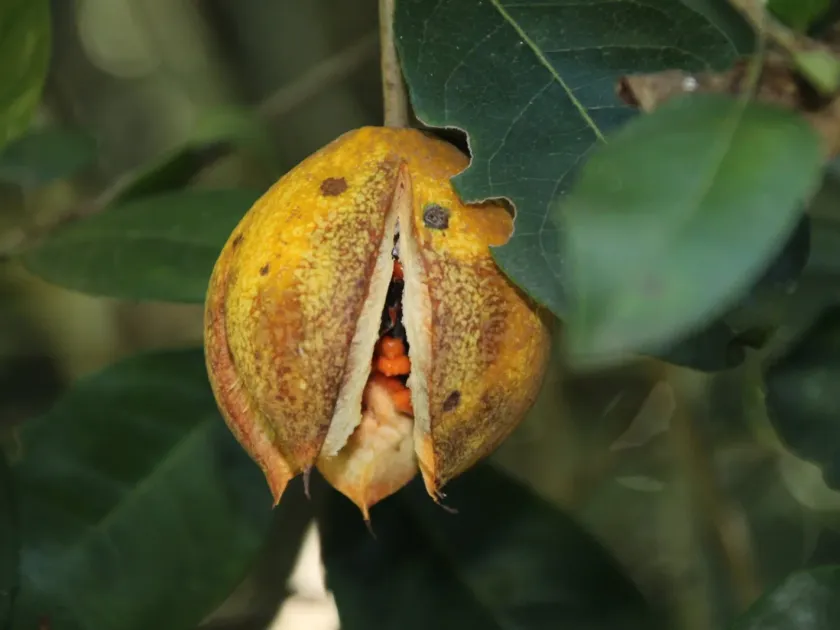
Description
Growing requirements
Xylotheca kraussiana is an evergreen shrub or a small tree belonging to the Achariaceae family. In its natural habitat, the plant is primarily distributed across the coastal regions of East and Southeast Africa, including South Africa, Mozambique, and Tanzania.
Botanically, the plant is distinguished by its leathery, elliptical leaves and striking white flowers featuring numerous stamens. The species prefers sandy soils and well-drained substrates, often occurring naturally in coastal forests and thickets.
For successful development, the culture requires a warm, subtropical climate free from prolonged frost. Optimal conditions include high ambient humidity and abundant sunlight, although the plant can adapt to semi-shaded environments within its natural forest canopy.
Agricultural practices require strict control over irrigation during the active growth period. Although Xylotheca is resilient to short-term drought, maintaining its ornamental value and biological vigor necessitates consistent watering without causing waterlogging in the root zone.
The horticultural use of the species is focused mainly on ornamental gardening and landscaping within tropical regions. Additionally, the plant holds ethnobotanical significance, as certain parts of the shrub have been traditionally utilized in the folk medicine of local African communities.
Main diseases and pests
Common threats to the plant's health include root rot caused by fungal infections in overwatered soil, especially under greenhouse conditions. The plant may also be susceptible to infestations by scale insects and spider mites, which require the application of systemic insecticides for effective management.