
Cydolus rudenkoana
x Cydolus rudenkoana Mezhenskyj
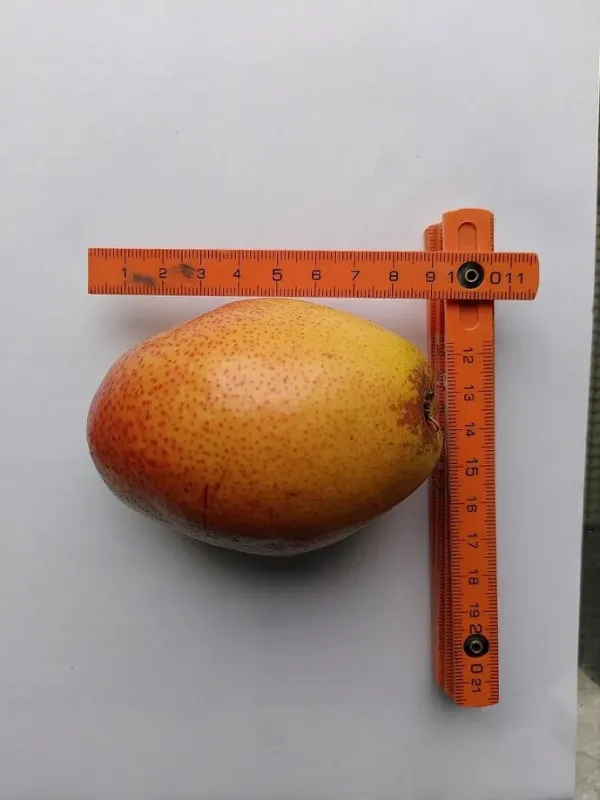
Description
Sowing dates
Propagation of this crop in agricultural settings is primarily achieved through vegetative methods, as sexual reproduction leads to high variability and loss of clonal characteristics.
The optimal planting window is early spring, which allows the root system to establish itself well before the onset of the heat and drought stress of mid-summer.
Cuttings should be placed in well-aerated substrates with controlled temperature and humidity to ensure the highest success rate in rooting.
Proper spacing between plants is determined by the vigor of the specific cultivar, typically requiring several meters between rows to allow for maintenance access.
Using certified, disease-free nursery stock is essential for establishing a healthy and productive orchard that meets modern agricultural standards.
Growing requirements
Cydolus rudenkoana is a specialized intergeneric hybrid resulting from the crossing of Cydonia (quince) and Chaenomeles (flowering quince) species.
The culture thrives in well-drained, fertile loamy soils with a balanced pH level and requires protection from waterlogging during the dormant season.
It shows good adaptability to moderate climate zones, though young plants may benefit from protection against harsh winter winds and late spring frosts.
Full sun exposure is necessary for healthy vegetative growth and to promote the development of flower buds, which directly impacts the potential harvest.
Ongoing soil management, including mulching and weed control, is vital to prevent root competition and maintain consistent moisture levels throughout the growing season.
Yield
Yield performance is characterized by stability, with the plants producing fruits that are highly valued for their rich biochemical profile and aromatic qualities.
The fruit contains significant amounts of pectin, organic acids, and antioxidants, making it an excellent candidate for various industrial processing applications.
Processing uses include the production of high-quality jams, preserves, marmalades, and concentrated juices that appeal to the health-conscious consumer.
Economic potential is supported by the plant's regular bearing habit, which provides a consistent supply of raw material for the food industry.
Market demand for unique, nutrient-dense fruits continues to grow, positioning this hybrid as a promising addition to specialized commercial orchards.
Main diseases and pests
As a member of the Rosaceae family, Cydolus rudenkoana is susceptible to typical fungal diseases such as fire blight and various leaf spot pathogens.
Monitoring for insect pests, particularly aphids and spider mites, is crucial, especially during the early stages of shoot development in late spring.
Proactive orchard management involves regular pruning to ensure airflow through the canopy, which significantly reduces the risk of fungal infections.
- Implementing integrated pest management (IPM) to minimize chemical reliance.
- Removal and destruction of infected branches to prevent the spread of pathogens.
- Applying targeted protective sprays only when pest thresholds are exceeded.
Maintaining strong, vigorous trees through proper fertilization and watering is the best defense against environmental and biological threats.
Harvesting
Harvesting is typically conducted when the fruit reaches technical maturity, indicated by its size and the development of a complex aromatic profile.
Careful handling is required during the collection process to prevent mechanical damage, which can lead to rapid deterioration of the fruit during storage.
Post-harvest handling should involve moving the produce to cool, ventilated storage areas to slow down metabolic processes and maintain freshness.
Timely processing is recommended to capture the full nutritional value of the fruits, particularly the high concentrations of vitamin C and pectin.
Efficient logistics from the field to the processing facility are key to preserving the quality and shelf life of this valuable horticultural commodity.