
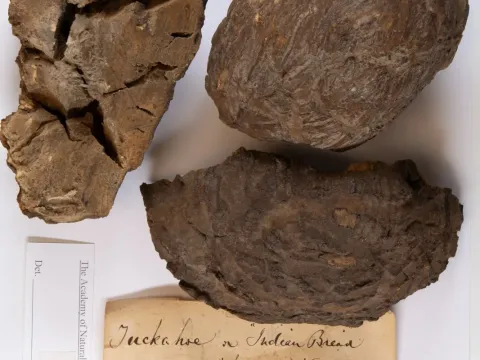
Wolfiporia cocos
Wolfiporia Ryvarden & Gilb.
Wolfiporia cocos is a saprotrophic fungus that requires specific inoculation techniques rather than traditional seed sowing methods.
What the section contains


Wolfiporia cocos
The optimal time for introducing the fungal culture into the substrate is spring, when temperatures remain consistent between 18 and 22 degrees Celsius.
Producers utilize pine logs or enriched sawdust blocks as a growth medium, ensuring high levels of cellulose and lignin for fungal nutrition.
Inoculation must occur in sanitized environments to prevent the contamination of the primary mycelium by aggressive mold spores.
Following inoculation, the incubation phase requires darkness and specific moisture levels to ensure the substrate is fully colonized by the fungus.
Belonging to the Polyporaceae family, this fungus naturally thrives near pine roots, which dictates its preference for acidic, woody substrates.
For successful cultivation, growers must maintain a relative humidity of 60–75 percent and a stable climate with adequate air exchange.
The substrate must have a drainage system to prevent waterlogging, as excessive moisture often leads to anaerobic conditions and decay.
Light levels should be kept low to mimic the natural soil habitat of the fungus, as intense exposure can dehydrate the mycelial structure.
Soil quality, if the cultivation is performed outdoors, should be sandy or well-aerated, reflecting the ecological niche of coniferous forests.
The yield of Wolfiporia cocos is highly dependent on the quality of the raw substrate and the duration of the growth cycle.
Under controlled conditions, the production of mature sclerotia can be stabilized to achieve predictable harvests per square meter.
Yield efficiency is significantly improved by using high-quality spawn and maintaining consistent temperatures throughout the entire development phase.
Regular monitoring of the growing blocks allows for the identification of potential growth stagnation, enabling timely adjustments to the humidity levels.
Most commercial operations achieve consistent results by reusing substrate in multi-stage systems, provided the integrity of the mycelium is maintained.
Competitive fungi, particularly species of Trichoderma, are the primary biological threats that can rapidly overtake a growing bed.
Pests such as fungus gnats often invade the growing area, causing damage to the developing sclerotia and acting as vectors for diseases.
Bacterial contamination, often caused by poor sanitation during the inoculation phase, can lead to widespread crop loss in a short period.
Environmental stress, such as extreme heat, weakens the mycelium and makes it more susceptible to opportunistic pathogens and parasites.
Rodents and other small animals pose a physical risk to outdoor cultivation beds, requiring the use of protective netting or enclosures.
Harvesting involves carefully extracting the sclerotia once they have reached the desired size and physical maturity for processing.
The harvest cycle usually lasts between 12 and 24 months, depending on the chosen substrate density and environmental control settings.
Technicians use specialized tools to remove the fungus from the log or block while minimizing damage to the surrounding mycelial network.
Post-harvest processing requires immediate cleaning and drying at controlled temperatures to preserve the medicinal compounds within the sclerotia.
Properly cured specimens exhibit a firm, white or pinkish internal mass, which signifies high quality and readiness for pharmaceutical or food use.