
Aristotelia chilensis
Aristotelia chilensis (Molina) Stuntz
Description
Sowing dates
Propagation of Aristotelia chilensis is primarily achieved through seeds or softwood cuttings. Seeds require a period of stratification in cool conditions to break dormancy and ensure successful germination.
Sowing in a greenhouse environment should begin in late winter or early spring. Maintaining a consistent temperature between 18 and 22 degrees Celsius is essential for uniform emergence.
Seedlings should be hardened off once they reach 15–20 centimeters in height before transplanting into the open field. Adequate spacing is crucial to prevent competition for resources.
Cuttings taken in late summer from semi-hardwood shoots show good success rates. The application of rooting hormones significantly enhances the development of the root system.
When selecting a planting site, ensure the soil is well-prepared and that the area has excellent airflow, which is critical for long-term plant health and disease prevention.
Growing requirements
Aristotelia chilensis belongs to the Elaeocarpaceae family and is native to the temperate rainforests of Chile and Argentina. It thrives in regions with a mild oceanic climate.
The plant prefers well-drained, fertile loamy soils with a slightly acidic to neutral pH. Proper soil structure is necessary to balance moisture retention and prevent root rot.
It is a sun-loving species, though young plants benefit from partial shade to protect them from intense heat. Adult plants are moderately cold-hardy but sensitive to prolonged frost.
Protection from strong winds is highly recommended, as they can cause leaf desiccation and mechanical damage to the delicate branches of the shrub.
Consistent irrigation is vital during the growing season, especially in drier periods, to support vigorous growth and maximum fruit development in the following season.
Yield
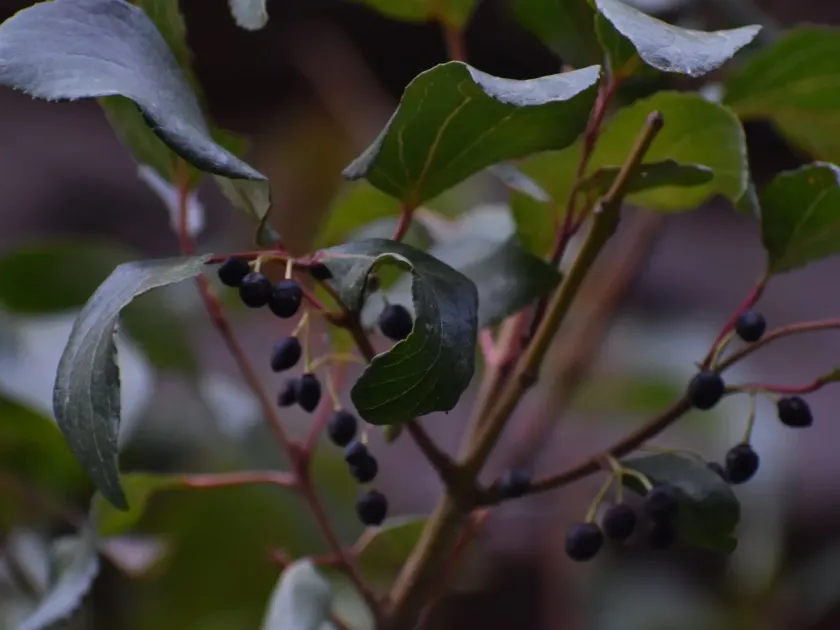
The berries of this species, commonly known as Maqui berries, are small, dark, and rich in antioxidants. Plants generally start bearing fruit around the third or fourth year of growth.
Yield capacity is influenced by environmental conditions and the intensity of care provided. High-quality inputs and correct pruning contribute to better and more reliable harvest results.
Maqui berries are highly sought after by the health and wellness industry due to their high anthocyanin content. This has driven significant interest in its commercial cultivation.
Harvesting is labor-intensive because the berries ripen unevenly throughout the clusters. Careful management of the canopy can improve the overall efficiency of the harvesting process.
The fruit can be consumed fresh, but much of the commercial production is dried or freeze-dried to create powders used in supplements and superfood products.
Main diseases and pests
Aristotelia chilensis is generally hardy but can suffer from fungal diseases such as powdery mildew, especially in areas with poor drainage or excessive humidity.
Sucking pests like aphids and scale insects are common threats that weaken the plant by feeding on young foliage and stems. Early detection is key to management.
Root rot is a significant danger in waterlogged soils. Proper land preparation and installing adequate drainage systems are the best preventative measures against this issue.
Leaf-eating insects can also affect the overall vigor of the shrub, reducing the energy available for fruit maturation. Integrated pest management strategies are recommended.
Regular sanitation, including the removal of damaged branches, helps maintain a healthy plant and reduces the risk of pathogens spreading throughout the orchard.
Harvesting
Harvesting typically occurs from late summer to early autumn. The berries are ready when they turn a deep, dark purple or black color and become slightly soft to the touch.
Given the small size of the berries, manual picking is the most common practice to avoid damaging the fruits. Use shallow containers to prevent bruising during collection.
Post-harvest care involves quick cooling to prevent fermentation or rapid degradation of the berries. High sugar content makes the fresh fruit highly perishable.
Sorting ensures that only the best berries reach the processing facility. Quality control is essential for producing premium extracts or powders for the international market.
Final storage should be in a cool, dry, and dark environment to preserve the chemical stability of the natural antioxidants until they are processed.