
Microlaena stipoides
Microlaena stipoides (Labill.) R. Br.
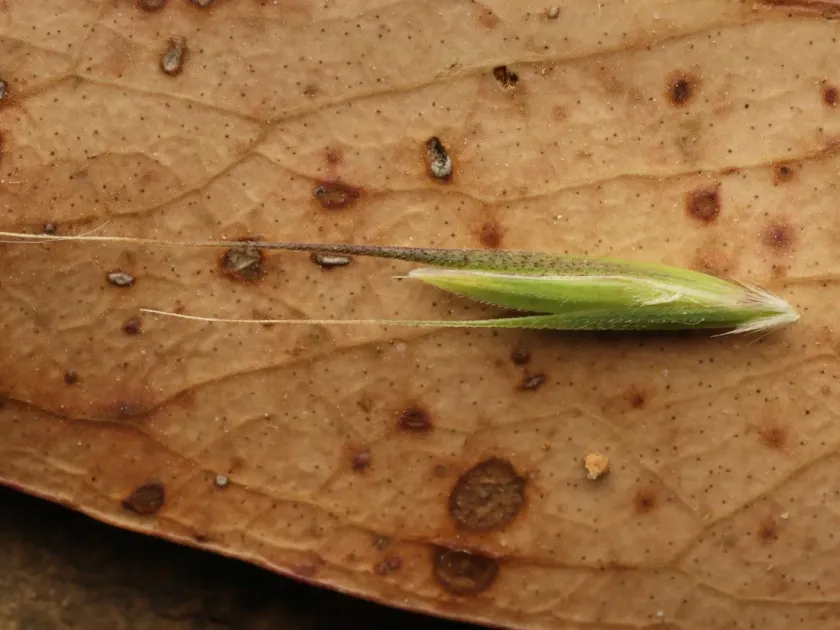
Description
Growing requirements
Microlaena stipoides, commonly known as Weeping Grass, is a perennial grass species belonging to the Poaceae family. It is native to Australia, New Zealand, and surrounding islands, valued for its durability and adaptability to varying soil conditions.
The grass is renowned for its shade tolerance, allowing it to thrive in woodlands and semi-shaded areas where other species struggle to establish. This feature makes it an excellent choice for agroforestry and silvopasture systems.
Botanically, it features a tufted growth habit with slender stems and soft, narrow leaves. The root system is deep and resilient, providing the plant with excellent drought tolerance once established, which is a major advantage for sustainable farming.
It prefers well-drained soils but demonstrates remarkable flexibility, growing in both heavy clays and sandy loams. It can tolerate a wide range of soil pH levels, although its peak performance is observed in slightly acidic to neutral soils.
In terms of agricultural utility, it serves as a high-quality forage crop with good protein levels. Beyond livestock grazing, it is frequently used for soil conservation, erosion control, and as a low-maintenance lawn grass in native landscaping projects.
Main diseases and pests
Fungal pathogens such as rusts are the primary biological threats to Microlaena stipoides, particularly during periods of high humidity and stagnant air, which can diminish the forage quality.
Insect pests, including armyworms and various grass-feeding beetles, can cause significant damage by defoliating the plants, especially in managed pastures where the grass density is high.
Overgrazing remains the most critical management threat. Because the plant relies on its crown and rhizomes for regrowth, excessive grazing intensity without recovery periods leads to stand decline.
Competition from invasive weeds, particularly during the seedling establishment phase, is a significant challenge that requires diligent weed management strategies, such as mowing or selective herbicide application.
Preventative measures include regular pasture monitoring for disease symptoms and implementing controlled grazing intervals to ensure the plant stores adequate energy reserves for survival.