
Water dropwort
Oenanthe javanica (Blume) DC.
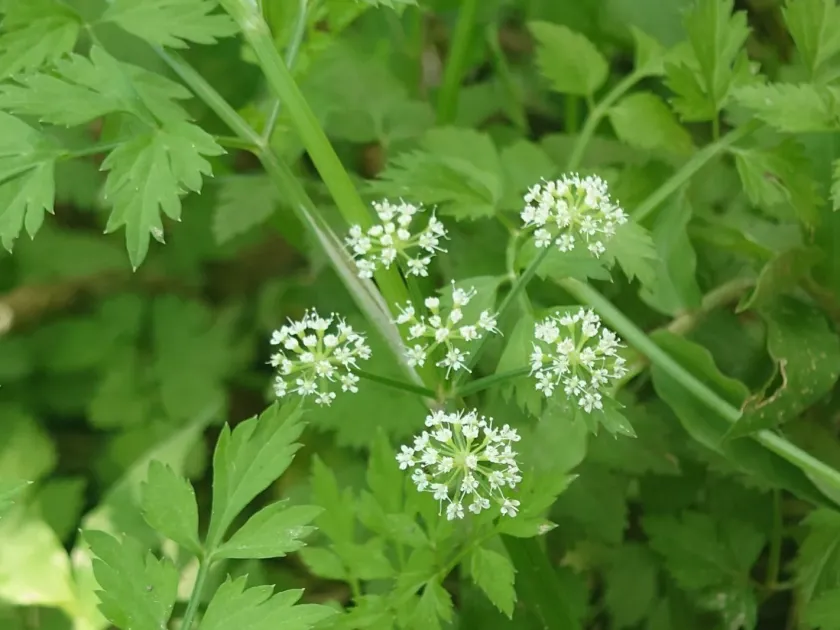
Description
Sowing dates
Oenanthe javanica, commonly known as Japanese parsley or water celery, is a perennial aquatic or semi-aquatic plant belonging to the Apiaceae family. It is widely cultivated for its aromatic edible leaves and stems.
Seeds should be sown in early spring when the soil has warmed up. They require a sunny but sheltered location and consistent moisture to germinate successfully, often taking two to three weeks.
In many agricultural systems, especially in East Asia, this crop is propagated vegetatively by dividing existing root clusters, which is much faster than seed propagation.
When sowing, cover the seeds with only a very thin layer of fine soil, as they need light to trigger the germination process. Keeping the soil surface damp is critical at this stage.
Thin the seedlings once they reach a height of about 5–8 cm to ensure that each plant has enough space to spread its roots and develop a healthy leafy canopy.
Growing requirements
This crop thrives in very moist, almost marshy soil conditions. It is frequently grown in flooded paddies or along the edges of ponds, making it an excellent candidate for hydroponic systems.
Soil should be rich in organic matter, such as well-rotted compost, to support the rapid development of its leafy stalks and provide essential nutrients throughout the growing season.
Partial shade is preferable, particularly in regions with intense summer heat, as direct sunlight can cause the leaves to become tough and develop a bitter flavor profile.
Oenanthe javanica prefers a neutral to slightly acidic soil environment. Regular fertilization with nitrogen-heavy nutrients is recommended to maximize leaf production and keep the stalks tender.
Optimal temperature ranges from 15°C to 25°C. The plant is relatively cold-hardy, but its growth rate significantly slows down during frost, which can cause foliage dieback.
Yield
The yield of water dropwort is high due to its ability to regrow rapidly after repeated harvesting. Under intensive management, multiple harvests per season are standard.
Plants are ready for the first harvest approximately 40 to 50 days after establishment. Successive harvests can be performed every two weeks depending on the growth rate.
Total yield per square meter is significantly higher in hydroponic setups compared to traditional soil-based cultivation due to constant nutrient availability and moisture control.
To maximize yield, the grower must prune away any flower stalks that emerge, as the energy directed toward flowering reduces the succulent quality of the edible leaves.
Effective yield management involves balanced harvesting — removing about one-third of the foliage at a time to ensure the plant retains enough photosynthetic capacity for rapid recovery.
Main diseases and pests
Fungal diseases are the primary threats, especially in poorly ventilated environments or areas with excessive standing water that has become stagnant. Root rot is a common concern.
Pests such as slugs and snails can quickly decimate young plantings. Physical barriers or organic molluscicides are often used to protect the crop in field conditions.
Aphids can infest the underside of the leaves, particularly in greenhouses. Monitoring should be frequent to prevent population explosions that could damage the succulent stalks.
To minimize disease pressure, maintain adequate spacing between plants to allow for airflow and avoid splashing soil onto the leaves during watering.
Use only organic pest management strategies if the leaves are to be harvested for culinary use soon after treatment, ensuring safety for the end consumer.
Harvesting
Harvesting is performed by clipping the stems near the base, just above the root crown. This technique encourages the plant to produce new shoots from the nodes.
The best time to harvest is early in the morning when the water content in the plant tissues is at its highest, ensuring the leaves remain crisp and fresh for as long as possible.
Post-harvest handling is critical as the foliage wilts rapidly. Immediately cool the harvested bunches in a shaded area and keep them hydrated until they reach the market.
Avoid harvesting during or immediately after heavy rains if possible, as wet foliage is highly susceptible to rapid decay and microbial spoilage during storage.
When preparing the final harvest of the season, the entire clump can be removed, and the root system can be divided for propagation in the following growing season.