
Warneckea jasminoides
Warneckea jasminoides
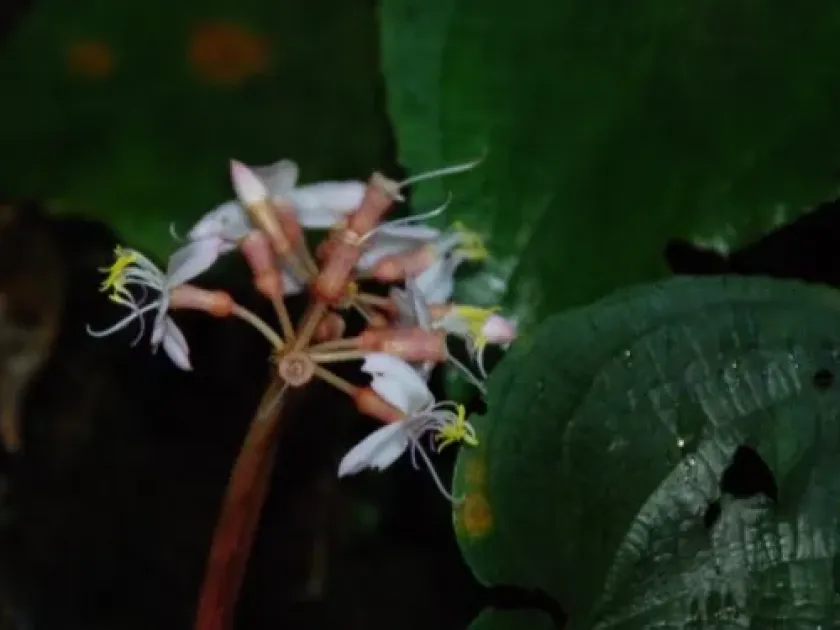
Description
Growing requirements
Warneckea jasminoides is an evergreen shrub belonging to the Melastomataceae family, native to tropical regions in Africa. It is characterized by its distinct foliage and architectural growth habit, which make it a point of interest for botanical study and cultivation.
The crop thrives in well-drained, nutrient-rich soils that maintain consistent moisture levels without becoming waterlogged. The optimal pH range for this species is slightly acidic to neutral, mirroring the conditions found in its natural habitat.
Climatic requirements are strict: the plant requires a stable, warm environment with high humidity levels. Temperatures should ideally range between 22°C and 28°C; any significant deviation toward cooler climates can severely impede the plant's metabolic processes.
Agricultural techniques involve a balanced fertilization program focusing on micronutrients to support leaf development. Proper spacing is essential to ensure adequate airflow around the canopy, preventing the microclimate from becoming stagnant and prone to fungal infections.
While primarily cultivated for ornamental purposes in controlled environments, the plant exhibits significant biological resilience when provided with proper light intensity. It is often kept in greenhouses where environmental parameters can be fine-tuned to mimic tropical cycles.
Main diseases and pests
Fungal pathogens represent the primary threat to Warneckea jasminoides, particularly in nursery settings with poor ventilation. Root rot is a common issue arising from improper watering practices or heavy, compacted soil types.
Pests such as spider mites and mealybugs frequently target the underside of leaves. Integrated pest management strategies, including the introduction of natural predators or targeted chemical treatments, are recommended for large-scale operations.
Viral infections may appear as variegated leaf patterns or necrotic spots, which require immediate quarantine of affected plants. Sterilization of agricultural tools is a mandatory practice to prevent cross-contamination between specimens.
Excessive salinity in the irrigation water can lead to tip burn on the leaves, negatively impacting the plant's aesthetic value and overall vigor. Regular monitoring of water quality is an essential part of the standard agronomic protocol for this species.
Maintaining a clean cultivation area and removing fallen debris are fundamental steps in preventing the buildup of inoculums that could lead to widespread disease outbreaks within the crop population.