
Vulpiella
Vulpiella stipoides
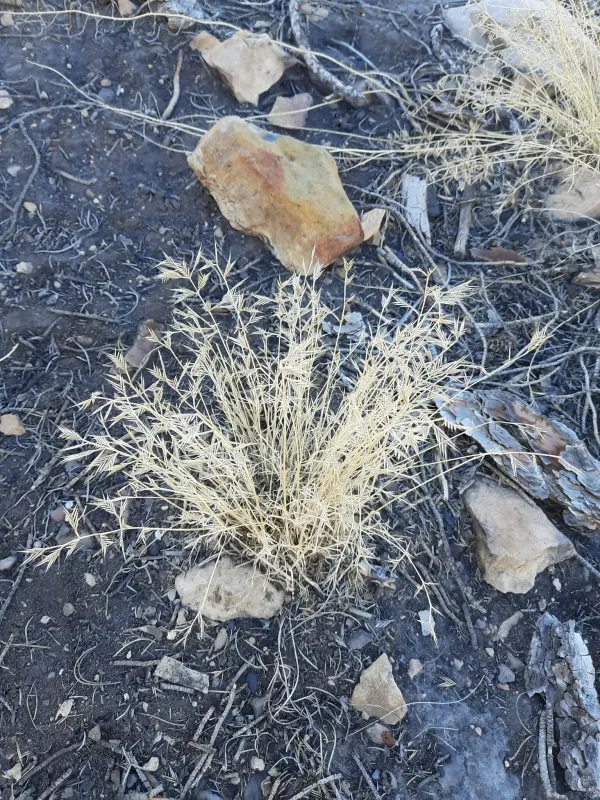
Description
Sowing dates
Sowing times for Vulpiella traditionally occur in the autumn, matching the start of the rainy season in its native range. This provides the optimal moisture levels required for seed germination.
Spring sowing is possible but usually requires additional irrigation. The seeding depth must be minimal, as the seeds have a small size and a limited amount of stored nutrients.
Seeding rates depend on the intended use of the site. Higher rates are used for establishing pastures, while lower rates are sufficient for phytoremediation and erosion control projects.
A crucial step is soil compaction after sowing. This ensures solid contact between the seeds and soil moisture, which is critical in arid growing conditions.
During the initial development stages, Vulpiella grows quite slowly, so it is necessary to ensure the absence of weeds that might compete with young seedlings for nutrients.
Growing requirements
Vulpiella (Vulpiella stipoides) is a herbaceous plant belonging to the Poaceae family. It is a perennial, sometimes annual, grass species that demonstrates exceptional resilience in challenging environmental conditions.
Its natural range covers the Mediterranean region. The plant is perfectly adapted to survive in poor, sandy, and stony soils where other vegetation often fails to form a dense cover.
To thrive, Vulpiella requires significant sunlight. The crop endures long periods of drought efficiently due to the specialized structure of its root system, which allows it to access deep soil moisture.
Soil requirements include well-drained substrates. Vulpiella shows significant tolerance to soil salinity, making it a promising candidate for the reclamation of degraded lands in arid zones.
Botanically, the plant is characterized by narrow leaf blades and a dense, paniculate inflorescence. Its low growth habit is an adaptive trait that helps minimize the impact of desiccating winds.
Yield
The green matter yield of Vulpiella is not high, but it remains stable in conditions unsuitable for other grass species. The crop provides valuable forage when other vegetation dries out.
The main growth phase occurs during the spring. As the plant approaches the heading stage, the nutritional value of the forage decreases, so it is important to manage grazing schedules to maximize utility.
Usage is primarily focused on creating pastures for small ruminants and stabilizing soils. The plant plays a key role in preventing wind erosion on sandy terrain.
Seed harvesting is a complex technological process due to the biological features of seed maturation. Mechanized collection requires specialized equipment settings to minimize crop losses.
The stability of the pasture sward is maintained through strict grazing regulation. Excessive exploitation can lead to rapid depletion of nutrient reserves within the plants.
Main diseases and pests
The plant has natural resistance to most fungal diseases affecting grasses. However, under high-humidity conditions, the development of root and base rot is possible.
The main damage is caused by soil-dwelling pests and insects that attack seedlings. Pest control in pastures is primarily based on environmental management methods.
Chemical protection is used very rarely due to ecological limitations. Priority is given to creating conditions where the plant can naturally withstand pest pressure.
Overgrazing is the main biotic factor threatening the existence of the stands. Soil compaction by animal hooves negatively affects root aeration.
Systematic monitoring of the fields for diseases should be carried out, especially in years with abnormal rainfall, which may promote the spread of rust fungi.
Harvesting
Seed harvesting is conducted during the full maturity phase, when the inflorescences become dry and brittle. Optimal time is the early morning to minimize losses due to shattering.
For forage purposes, controlled grazing is the primary method of use. This allows for the effective utilization of the plant's natural potential without extra costs for mowing and transportation.
In reclamation projects, mowing is avoided to leave stubble for moisture retention. This contributes to the natural regeneration of the grass stand in subsequent seasons.
After collection, seeds require drying and cleaning from impurities. Storage must take place in low-humidity environments to maintain high germination energy.
Seed viability lasts for several years if stable temperature conditions are maintained, which allows for the creation of seed stocks for future use.