
Viviania marifolia
Viviania marifolia
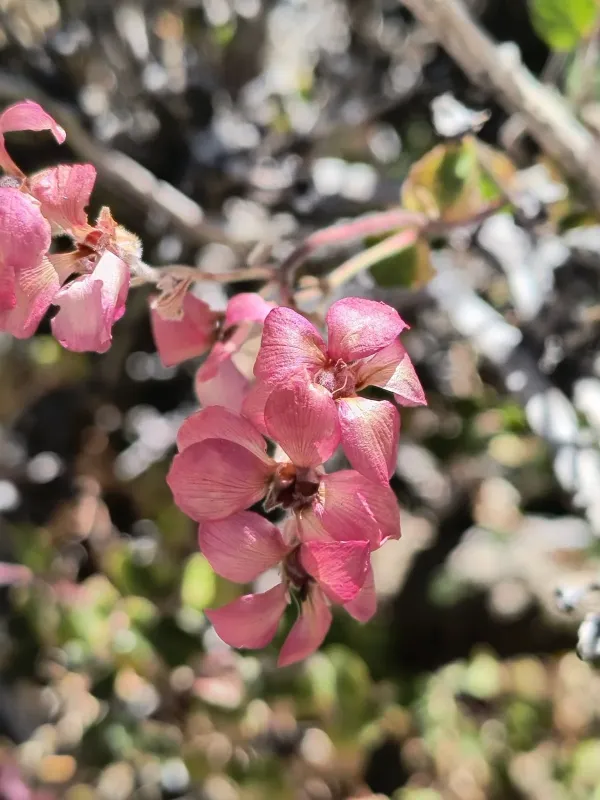
Description
Sowing dates
Viviania marifolia, a member of the Vivianiaceae family, is a distinct plant species native to the southern regions of South America. Successful cultivation requires mimicking its natural environment with precise attention to seasonal cycles.
Seeds should be sown in a well-draining, lightweight seed-starting mix in early spring. Maintaining a consistent temperature between 18 and 22 degrees Celsius is crucial for high germination rates.
Seedlings need adequate light intensity to prevent etiolation. Once the plants reach a sufficient size, they should be hardened off before being transplanted to their final location in the garden.
Proper spacing is vital for the health of the crop. Providing at least 30–40 cm of space between individuals ensures that airflow remains constant, which is a key factor in preventing moisture buildup.
For colder climates, cultivation in pots is recommended, allowing the gardener to move the plants indoors during frost periods to ensure their survival and continued growth throughout the year.
Growing requirements
Viviania marifolia flourishes in sunny to partially shaded locations, requiring soil that is porous and not prone to compaction or waterlogging, which are critical parameters for the species.
The ideal soil pH for this crop typically ranges from slightly acidic to neutral (6.0 to 7.0), facilitating efficient nutrient uptake from the soil matrix.
Watering practices should be balanced; the soil should be allowed to dry slightly between watering cycles to avoid root suffocation and the development of necrotic tissues.
Application of a diluted, balanced fertilizer during the vegetative growth phase supports robust development of foliage and increases the plant's overall resilience to environmental stressors.
Protecting the plants from strong, desiccating winds is necessary to maintain the integrity of the foliage and stems, especially during the early stages of plant development.
Main diseases and pests
The primary threats to Viviania marifolia include various fungal infections triggered by humidity, such as root rot and powdery mildew, which can spread rapidly if conditions are not managed.
Insect pests such as aphids and spider mites are known to infest the plant, particularly in sheltered environments like greenhouses, where air circulation might be insufficient.
- Regular monitoring of leaf undersides for pests.
- Pruning of damaged or dead plant material to promote hygiene.
- Application of neem oil or insecticidal soap when necessary.
Management of these threats is most effective when integrated into a proactive maintenance schedule rather than relying on reactive curative measures during an outbreak.
Maintaining soil health through appropriate rotation and avoidance of overly damp conditions serves as the most effective defense against common soil-borne pathogens affecting this crop.