
Viola kitaibeliana
Viola kitaibeliana
Description
Growing requirements
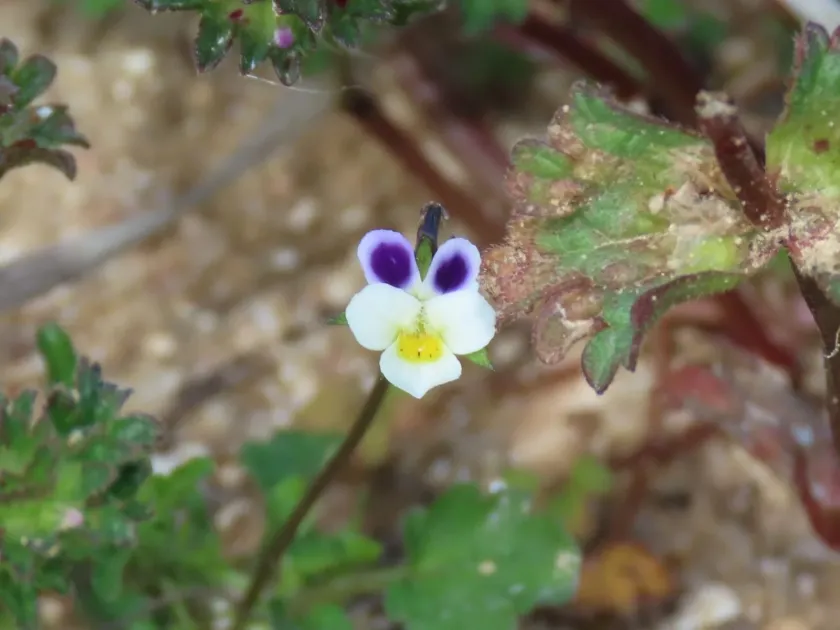
Viola kitaibeliana, commonly known as the dwarf pansy, is a small annual plant belonging to the Violaceae family. It is distinguished by its compact growth habit and pale, cream-colored flowers.
The origin of this species is traced to European and Western Asian regions, where it thrives in open, sandy habitats. It is adapted to survive in areas characterized by poor soil quality and high sunlight exposure.
Soil requirements involve excellent drainage properties. This plant is sensitive to waterlogged conditions, which frequently lead to root rot and eventual plant death if soil structure is too heavy.
Climatic preferences include temperate weather with distinct dry springs. The species utilizes its early-season growth to avoid competing with taller, more aggressive grasses and perennial weeds.
Agrotechnical management is rarely applied due to the plant's wild nature. However, maintaining open canopy conditions is essential for the survival of populations in managed meadow ecosystems.
Main diseases and pests
Common threats include fungal pathogens such as powdery mildew, which proliferates during periods of high humidity and stagnant air circulation around the plants.
Pests like aphids and spider mites can infest the foliage, particularly when the plants are stressed by extreme temperatures or lack of nutrients in the soil.
Competition with invasive grasses is a primary threat to local biodiversity. Without periodic light grazing or disturbance, the species is often shaded out by faster-growing vegetation.
Soil compaction serves as a major barrier to the development of the taproot system, preventing the plant from accessing deeper moisture reserves during dry spells.
Agricultural mismanagement, specifically the overuse of nitrogen-based fertilizers, shifts the balance in favor of nitrophilous weeds, leading to the displacement of the sensitive Viola kitaibeliana.