
Villaresia mucronata
Villaresia mucronata
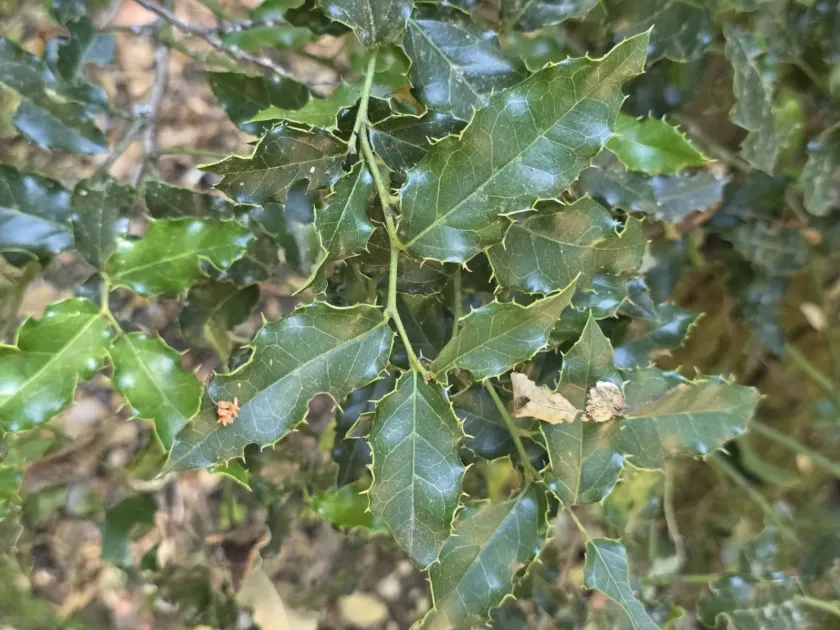
Description
Sowing dates
Villaresia mucronata is typically propagated through seeds, which often require a period of stratification to improve germination rates significantly. Sowing is generally conducted in controlled nursery environments during early spring.
The substrate for germination must be porous, well-draining, and rich in organic matter to prevent the seeds from rotting. Optimal depth of sowing is crucial for consistent seedling emergence.
Young plants require careful attention to watering, as maintaining a consistent moisture level is vital for the development of a healthy root system in the early stages.
Vegetative propagation via semi-hardwood cuttings is another common method to ensure that the offspring retain the exact genetic traits of the parent plant.
Hardening off the seedlings is a necessary step before transferring them to permanent outdoor locations to help them acclimatize to environmental stressors.
Growing requirements
Belonging to the Icacinaceae family, this evergreen tree thrives in mild subtropical climates characterized by stable temperatures and adequate air humidity levels.
The plant demands deep, fertile soil with excellent drainage. Waterlogged soil conditions are strictly detrimental, often leading to rapid root decay and plant decline.
While the tree shows high tolerance for partial shade, it requires filtered sunlight to maintain lush foliage and promote healthy growth cycles throughout the year.
Mulching the base of the tree is highly recommended, especially in regions with hot summers, as it protects the root zone from excessive heat and helps retain moisture.
Protection from cold, desiccating winds is essential for young specimens, as strong breezes can cause foliage scorch and hinder overall plant development.
Yield
As a plant primarily utilized for ornamental and landscaping purposes, its yield is focused on healthy growth and aesthetic value rather than commercial fruit production.
Fruit set depends on tree maturity and environmental factors such as cross-pollination opportunities and the availability of nutrients during the flowering season.
In nursery settings, the productivity is measured by the successful output of healthy, well-developed saplings ready for transplantation in landscaping projects.
Balanced fertilization throughout the active growth phase ensures vigorous development and increases the biomass production of the tree significantly.
Regular monitoring of growth rates allows arborists to adjust nutrient delivery, ensuring that the tree reaches its peak ornamental potential over time.
Main diseases and pests
Fungal infections remain the most significant threat to the tree, particularly when roots are exposed to stagnant water or lack of soil aeration.
Common pests like scale insects and aphids may colonize the tender foliage, necessitating early detection and targeted management to prevent infestations.
Mechanical damage to the bark must be avoided, as open wounds provide entry points for pathogens and wood-boring insects that can damage the structural integrity.
Proper pruning techniques play a role in disease management by ensuring good airflow within the canopy, which naturally discourages mold and fungal growth.
Utilizing integrated pest management strategies, including the use of beneficial insects, is preferred over broad-spectrum chemical interventions.
Harvesting
Harvesting for seed collection occurs once the drupes reach physiological maturity, which is indicated by their characteristic color shift and skin texture.
Pruning should be conducted during the dormancy phase to manage the canopy structure and remove any dead or diseased wood that may harbor pathogens.
Collected materials must be stored in appropriate conditions to maintain seed viability until the next sowing season arrives.
Tools used for harvesting and pruning should be thoroughly sanitized between individual plants to prevent cross-contamination of potential diseases.
Proper disposal of pruned material is essential to keep the surrounding area clear of potential sources of infection for the upcoming growing cycle.