
Vernoniastrum latifolium
Vernoniastrum latifolium
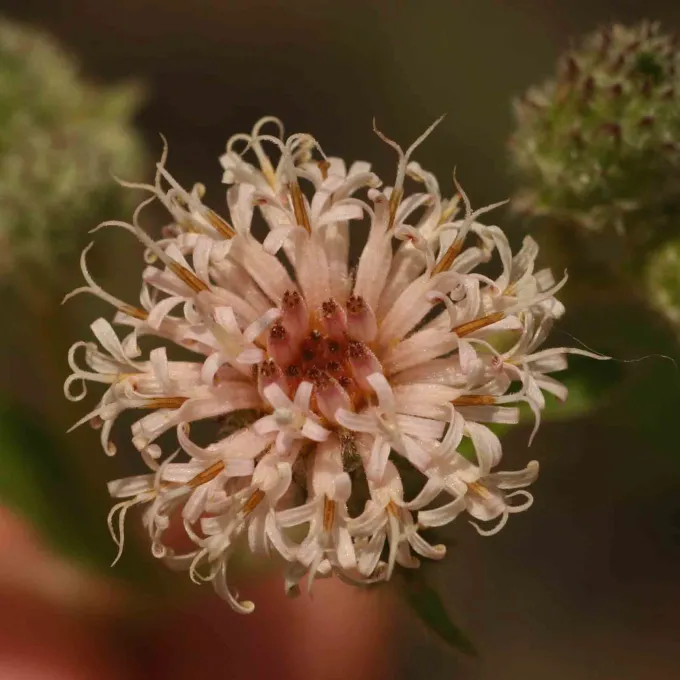
Description
Sowing dates
Sowing Vernoniastrum latifolium seeds is best performed in late autumn for winter stratification or in early spring after the seeds have undergone a cold treatment period. Proper preparation is essential due to the natural dormancy period of the seeds.
For greenhouse production, seeds should be sown in containers during late winter, maintaining a temperature range of 18-20 degrees Celsius. Providing additional artificial lighting ensures robust development of the seedlings before they are ready for transplanting.
Transplanting into the open field is carried out once the danger of frost has passed. Plants should be spaced 50 to 60 centimeters apart to provide enough room for root expansion and foliage growth, which prevents overcrowding.
Soil preparation requires deep tilling and the incorporation of organic matter to ensure good fertility and drainage. The soil should be loose and friable to support the rapid establishment of the root system in the first weeks after planting.
Maintaining consistent moisture levels during the germination phase is critical. Overwatering must be avoided, as it can lead to damping-off disease in young seedlings, which can destroy the crop before it reaches maturity.
Growing requirements
Vernoniastrum latifolium, a member of the Asteraceae family, thrives in sunny locations with well-draining, fertile soil. It is highly adaptable but performs best in neutral to slightly acidic soil conditions with plenty of organic content.
While the plant exhibits drought tolerance once established, consistent irrigation during the peak of summer is recommended to maintain the quality and abundance of the foliage. Proper water management prevents unnecessary stress on the plant.
The climate requirements include a moderate growing season with adequate protection against extreme winter cold in colder zones. Generally, it is a hardy perennial capable of surviving typical winter conditions without special coverings.
Nutrient management involves applying balanced fertilizers throughout the growing season. Nitrogen-rich fertilizers are beneficial during the early vegetative phase, while phosphorus and potassium are essential for the development of flowers.
Effective soil aeration is vital for the plant's health. Regular cultivation around the base of the plant helps prevent soil compaction and ensures that oxygen reaches the roots, reducing the risk of root-related disorders.
Main diseases and pests
Powdery mildew is the most common fungal disease affecting Vernoniastrum latifolium, especially when air circulation is limited. Proper spacing and thinning help to reduce humidity around the foliage and inhibit fungal growth.
Insect pests, such as aphids and spider mites, can damage the leaves by sucking out plant juices. Integrated pest management, involving both monitoring and the use of targeted insecticides, is necessary to keep pest populations under control.
Slugs and snails often feed on young, tender leaves during wet weather. Using protective mulches or physical barriers can help mitigate damage to the plants during their early developmental stages when they are most vulnerable.
Root rot occurs primarily in heavy, waterlogged soils where drainage is insufficient. Preventive measures include choosing well-drained planting sites and adjusting irrigation schedules based on local rainfall patterns to prevent water accumulation.
Viral infections may occur, manifesting as distorted leaves or unusual patterns of coloration. Since there is no cure for viral diseases in plants, immediate removal and disposal of infected individuals are necessary to prevent further spread.