
Venus flytrap
Dionaea muscipula J. Ellis
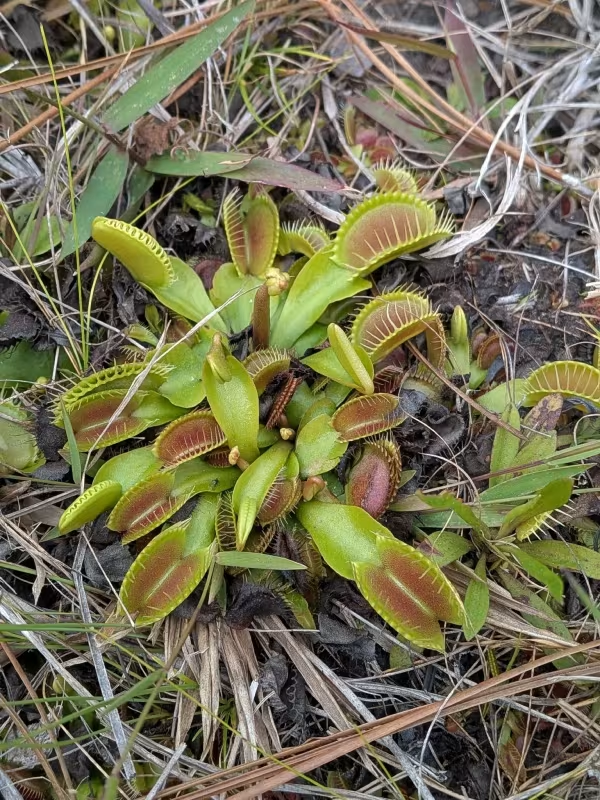
Description
Growing requirements
The Venus flytrap (Dionaea muscipula) is a fascinating carnivorous plant belonging to the Droseraceae family. Native to the subtropical wetlands of North and South Carolina, this species has evolved to thrive in nutrient-poor acidic soil.
In cultivation, mimicry of the natural bog environment is essential. The plant requires a specialized growing medium, typically consisting of sphagnum peat moss mixed with perlite or silica sand. Fertilizers are strictly forbidden, as they can burn the sensitive root system.
Watering is a critical aspect of flytrap husbandry. Only distilled, rainwater, or reverse osmosis water should be used to avoid mineral buildup. The pots should sit in a shallow tray of water to ensure consistent moisture levels at all times.
Light intensity is another vital factor for healthy development. Venus flytraps require several hours of direct sunlight per day. Insufficient light results in weak, spindly foliage and the loss of the vibrant coloration inside the traps.
A distinct dormancy period is a biological requirement for the species. During winter, exposure to cooler temperatures for several months is necessary to allow the plant to rest and accumulate energy for the vigorous growth expected in the following spring.
Main diseases and pests
Fungal diseases, including Botrytis or gray mold, represent the primary threat to indoor flytrap collections. These pathogens thrive in stagnant, humid environments where air circulation is insufficient or the soil remains too wet for extended periods.
Common household pests like aphids and mealybugs can infest the traps and leaves. If left untreated, these insects sap the plant's vitality, leading to malformed growth and the eventual failure of the trapping mechanism.
Nutrient toxicity, often resulting from tap water or soil contamination, causes localized necrosis. This manifests as brown patches on the leaves, which can serve as entry points for secondary bacterial infections if not removed immediately.
Overfeeding is a frequent mistake among novice growers. Placing pieces of meat or oversized insects into the traps causes the leaf to rot, as the plant cannot digest the mass, leading to localized tissue death and potential systemic decay.
The absence of a proper winter dormant period significantly weakens the plant's immune system. This physiological stress makes the flytrap more susceptible to spider mite infestations and decreases its long-term survival prospects.