
Vataireopsis surinamensis
Vataireopsis surinamensis
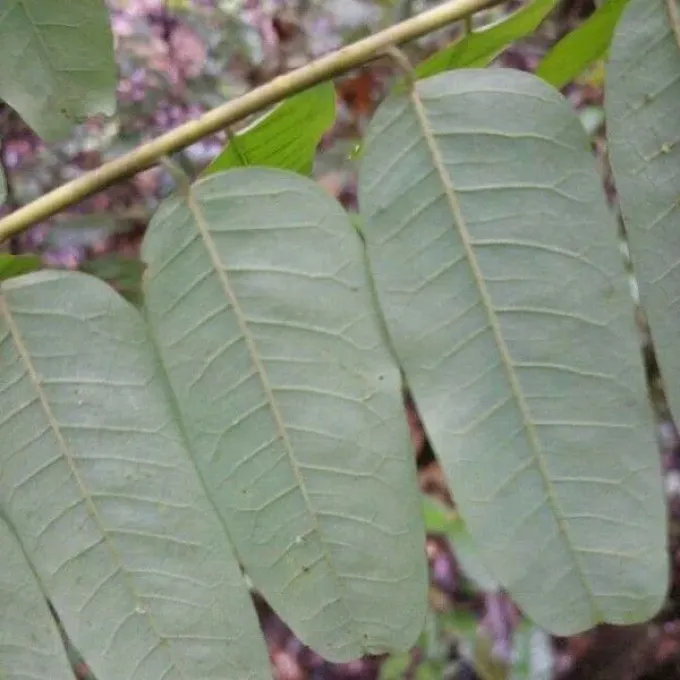
Description
Growing requirements
Vataireopsis surinamensis is a prominent tree species belonging to the legume family (Fabaceae), native to the tropical rainforests of South America. It is primarily found in countries such as Suriname, Guyana, and the northern regions of Brazil, where it plays a key role in forest structure.
This species thrives in high-temperature environments with significant annual rainfall, as it is strictly adapted to tropical equatorial climates. It does not tolerate prolonged frost or extreme arid conditions, requiring consistent moisture to maintain its metabolic activities throughout the year.
The tree prefers deep, well-drained soils that are rich in organic matter. Like many legumes, Vataireopsis surinamensis enters into symbiotic relationships with nitrogen-fixing bacteria, which allow it to thrive even in soils that might be nutrient-limited for other large tree species.
Botanically, it is recognized for its robust trunk and complex, pinnate leaves that optimize light absorption under the dense canopy of rainforests. Its growth pattern is relatively slow but results in a dense and durable wood, which is highly prized in tropical forestry.
Economically, the species is valued for its high-quality timber, which is used for heavy construction, interior flooring, and specialized cabinetry. Its ability to regenerate within forest gaps makes it a significant component of natural forest recovery processes in the Amazon basin.
Main diseases and pests
The primary threats to Vataireopsis surinamensis involve fungal pathogens that target the root and stem systems, particularly in areas with poor drainage or where the soil remains waterlogged for extended periods during the rainy season.
Boring insects, such as wood-boring beetles, pose a major risk to the wood quality. These pests excavate tunnels within the sapwood and heartwood, which not only degrades the timber value but also introduces pathways for secondary infections by opportunistic fungi.
Deforestation and habitat fragmentation significantly hinder the natural recruitment of this species. By opening up the forest canopy, these activities expose young individuals to harsh light and heat, which they cannot tolerate during their early growth stages.
Severe drought periods resulting from regional climate shifts have been observed to increase the vulnerability of these trees to canopy dieback, as the water supply to the upper foliage becomes restricted, leading to physiological stress.
Leaf-eating insects can cause episodic outbreaks of defoliation, which reduces the photosynthetic capacity of the tree. While mature trees often recover, repeated attacks lead to stunted growth and reduced biomass accumulation over the long term.