
Vaseyochloa multinervosa
Vaseyochloa multinervosa
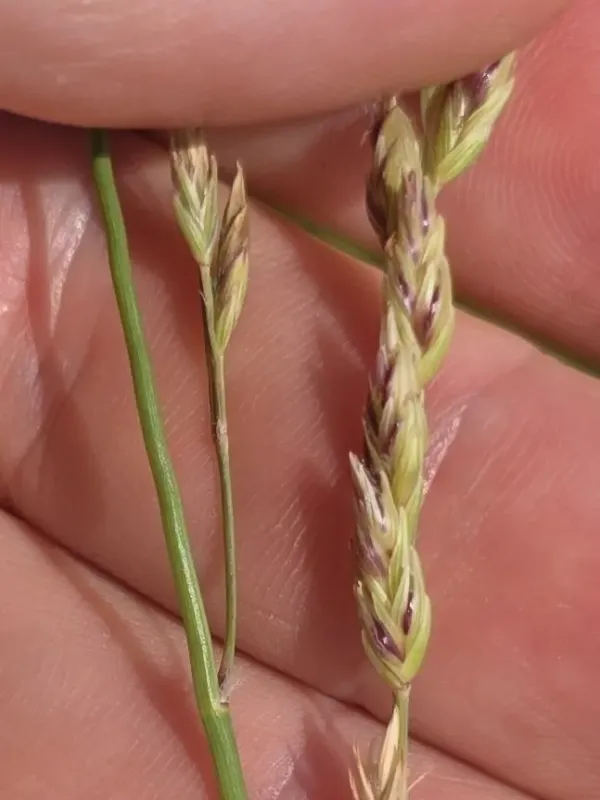
Description
Growing requirements
Vaseyochloa multinervosa is a distinctive perennial grass species belonging to the Poaceae family. Native to specific sandy habitats, primarily in Texas, this plant is valued for its unique adaptation to dry and nutrient-poor environments.
Botanically, the species is characterized by its heavily nerved leaves, which provide structural integrity and resistance to harsh weather. Its root system is exceptionally efficient at moisture uptake, making it a drought-tolerant candidate for arid regions.
For successful cultivation, Vaseyochloa requires well-draining, sandy or sandy-loam soils. It is highly sensitive to waterlogging, as its root system is prone to decay when exposed to standing water for extended periods.
This grass thrives in full sun exposure. It is not typically grown in dense, commercial monocultures but rather utilized in land reclamation projects to stabilize shifting sands and prevent soil erosion.
From an agricultural standpoint, it serves as a stabilizer rather than a high-yield fodder crop. Its presence improves soil structure and supports the natural biodiversity of grasslands by providing permanent ground cover.
Main diseases and pests
The primary threat to Vaseyochloa multinervosa is the encroachment of invasive plant species that can outcompete it for light and water. Overgrazing is a significant risk factor, as it prevents the plant from recovering its biomass during growing seasons.
Regarding health issues, the plant may suffer from rust fungi when humidity levels remain consistently high. Root-knot nematodes or other soil-borne pests can also pose risks if the soil health is not monitored regularly.
Successful management requires strict control of grazing intensity to ensure the plant maintains sufficient energy reserves in its root system. Rest periods are essential for long-term population stability.
Controlling competing vegetation is crucial during the early establishment phase of the grass. Mechanical methods of weed control are preferred to maintain the integrity of the fragile sandy ecosystem.
While large-scale pest outbreaks are rare due to the plant's scattered distribution, localized monitoring for aphids and fungal leaf spots is recommended to prevent spreading to adjacent areas.