
Vangueria volkensii
Vangueria volkensii
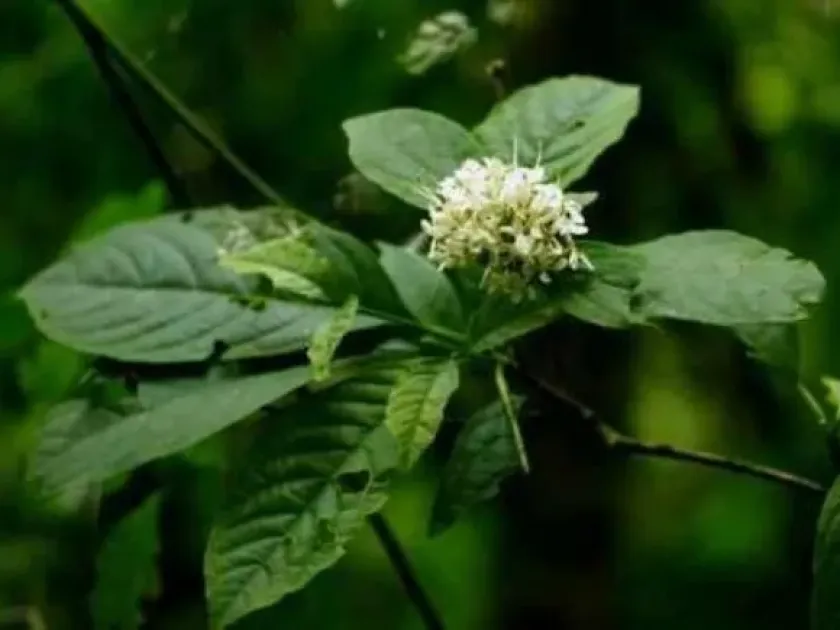
Description
Growing requirements
Vangueria volkensii is a robust evergreen tree or shrub belonging to the Rubiaceae family. Known for its adaptability to specific ecological niches, it typically displays a dense, spreading canopy with leathery, deep green foliage.
The species is native to the highland forests of East Africa. It thrives in tropical mountain environments where mild temperatures and consistent atmospheric humidity are maintained throughout the growing season.
For successful cultivation, the tree requires well-drained, fertile soil with a slightly acidic to neutral pH level. It does not tolerate waterlogged conditions, making site selection with adequate drainage of paramount importance.
The plant performs best in locations with high levels of indirect sunlight. While it can tolerate partial shade during early development, full exposure is generally required for mature specimens to reach their maximum growth potential.
Agricultural management should prioritize the maintenance of soil structure through regular organic mulching. Watering regimes must be balanced to prevent drought stress while avoiding the risks associated with excessive moisture around the root zone.
Yield
The fruit of Vangueria volkensii is the primary agricultural product of the tree. These spherical, edible berries are highly regarded for their nutritional density and pleasant, distinctive flavor profile, typical of the genus.
Yield production depends heavily on the age of the tree, canopy structure, and local microclimate conditions. Consistent production is achieved through proper tree spacing and regular maintenance of the plant's health.
Harvesting is typically a manual process, as the fruits reach maturity at different intervals throughout the harvest season. This necessitates multiple pickings to ensure the quality and ripeness of the gathered crop.
In addition to fresh consumption, the fruit has significant potential for processing into preserves, beverages, and local food staples. This versatility contributes to its importance in diversified tropical orchard systems.
Sustainable productivity is maintained by professional pruning practices that ensure light penetration throughout the canopy. Such techniques help prevent excessive vegetative growth and shift the tree's energy toward fruit development.
Main diseases and pests
The primary threats to Vangueria volkensii include common tropical pests such as aphids and mealybugs, which tend to infest the soft, succulent growth of new shoots and leaves during the rainy season.
Fungal pathogens causing leaf spots or dieback can become an issue if airflow is restricted within the canopy. Improving ventilation through careful pruning is a critical preventative measure in high-density plantings.
Competition from aggressive weed species can severely impede the growth of young trees. Maintaining a clear, mulched perimeter around the base of the plant is essential for optimal nutrient uptake and root health.
Root rot, often associated with poor drainage or over-irrigation, represents a serious threat to tree longevity. Monitoring soil moisture levels and avoiding the accumulation of standing water around the stem base is recommended.
Effective crop protection relies on an integrated approach that balances biological control methods with good cultural practices. Keeping the trees healthy through proper nutrition remains the most effective defense against systemic infections.