
Vallea stipularis
Vallea stipularis
Description
Growing requirements
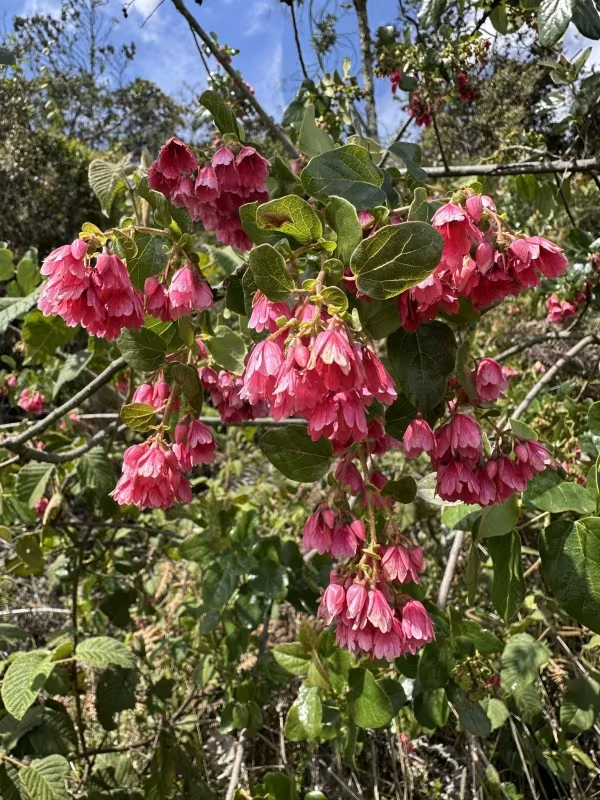
Vallea stipularis is an attractive evergreen shrub or small tree belonging to the Elaeocarpaceae family. It is widely recognized for its vibrant pink, bell-shaped flowers that bloom in clusters, providing a stunning visual impact against its dense, lush green foliage.
Native to the high-altitude regions of the Andes, specifically throughout Colombia, Ecuador, and Peru, this plant thrives in the unique conditions of cloud forests. It is highly adapted to cooler, misty environments at elevations ranging from 2000 to 3500 meters above sea level.
When cultivating this species, it is essential to provide well-draining, nutrient-rich soil with a slightly acidic pH. The root system is sensitive to waterlogging, so ensuring the soil remains moist but not saturated is crucial for the plant's long-term health and vitality.
Regarding climate, Vallea stipularis prefers a temperate environment with high humidity. It excels in locations that offer dappled shade, as direct, intense tropical sun can stress the foliage and negatively affect the blooming process during the peak season.
In terms of agricultural and horticultural use, this shrub is primarily utilized for its ornamental value in landscape design. It is frequently planted in cool-climate gardens as a focal point or as part of a hedge, appreciated for its hardiness and elegant appearance.
Main diseases and pests
The primary threats to Vallea stipularis in cultivation include powdery mildew, especially in environments with poor air circulation or consistently high humidity without proper ventilation. Maintaining proper spacing between plants is an effective preventive measure.
Pests such as spider mites and scale insects can also affect the plant, particularly during periods of drought or when the plant is kept in overly dry air. Routine monitoring of the leaves and maintaining appropriate humidity levels are recommended to prevent infestations.