
Cow soapwort
Vaccaria hispanica
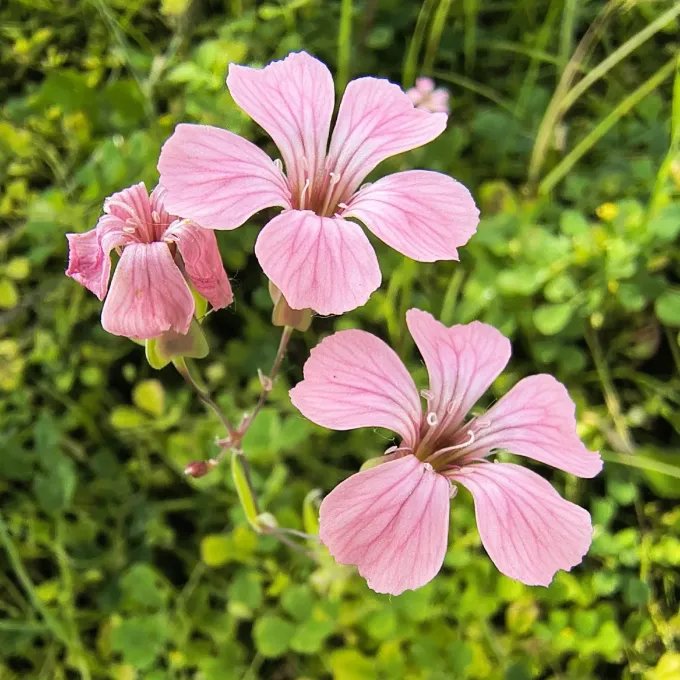
Description
Sowing dates
Cow soapwort is typically grown as an annual crop, requiring spring sowing as soon as the soil reaches workable conditions to ensure successful establishment.
The seeds should be sown in rows with optimal spacing to provide enough room for each plant to develop a strong root system and healthy vegetative mass.
Precise seeding depth is critical; burying the seeds too deep can impede emergence, while placing them too shallow may lead to drying out in the topsoil.
Consistent soil moisture immediately following the sowing operation is essential to trigger uniform germination and minimize the period of vulnerability for seedlings.
Effective stand establishment is the foundation of high yield, so using high-quality, treated seeds is recommended for commercial-scale cultivation.
Growing requirements
This crop belongs to the Caryophyllaceae family and is known for its adaptation to various temperate climates, particularly in open field conditions.
It prefers well-drained, fertile soils that are neither too acidic nor overly alkaline, allowing for efficient nutrient uptake throughout the growth cycle.
Sunlight exposure is a primary requirement for the plant; it does not perform well in shaded areas, which can lead to elongated stems and reduced flowering.
While relatively hardy, the plant responds positively to supplementary irrigation during prolonged dry spells, especially during the stage of active stem elongation.
Crop management practices must emphasize soil structure preservation, as the plant benefits from a well-aerated seedbed to promote rapid root penetration.
Yield
The yield potential of Cow soapwort is dictated by the density of flower-bearing stems and the number of developed seed pods per individual plant.
Balanced nutrient management, specifically phosphorus application, can significantly enhance seed weight and the overall quality of the harvested product.
Farmers must monitor the development stages closely to ensure that no nutrient deficiencies limit the plant's natural productivity during the peak flowering phase.
High yields are achievable when environmental stress is minimized, allowing the plant to dedicate its energy towards seed maturation rather than survival.
The product is highly valued in the pharmaceutical and oil-extraction industries, necessitating strict adherence to harvesting guidelines to maintain purity.
Main diseases and pests
The main threats to the crop include root diseases caused by excessive soil moisture, which can lead to decay and reduced plant population density.
Pests like aphids can cause significant damage by feeding on the sap of growing shoots, potentially transmitting viral diseases to the crop.
Effective disease management relies on cultural practices such as avoiding monoculture and implementing a well-designed crop rotation strategy.
In cases of severe infestation, integrated pest management protocols should be followed, prioritizing ecological balance and sustainable chemical usage.
- Frequent field scouting for early pest detection.
- Proper drainage to mitigate soil-borne fungal diseases.
- Cleaning harvesting equipment to prevent weed seed contamination.
Harvesting
Harvesting should occur once the seed pods turn brown and reach full maturity, indicating that the moisture content is optimal for collection.
Direct combine harvesting is the standard method, provided the machine is carefully adjusted to prevent crushing the fragile seeds during threshing.
Post-harvest cleaning is vital, as moisture trapped in debris can lead to spoilage and a drastic decrease in the value of the harvested seed batch.
Drying the seeds to safe moisture levels immediately after harvest is a critical step to ensure longevity and prevent the growth of storage molds.
Proper storage in cool, dry conditions is required to maintain the viability and chemical composition of the seeds until they are delivered to processors.