
Yellow nightshade vine
Urechites lutea
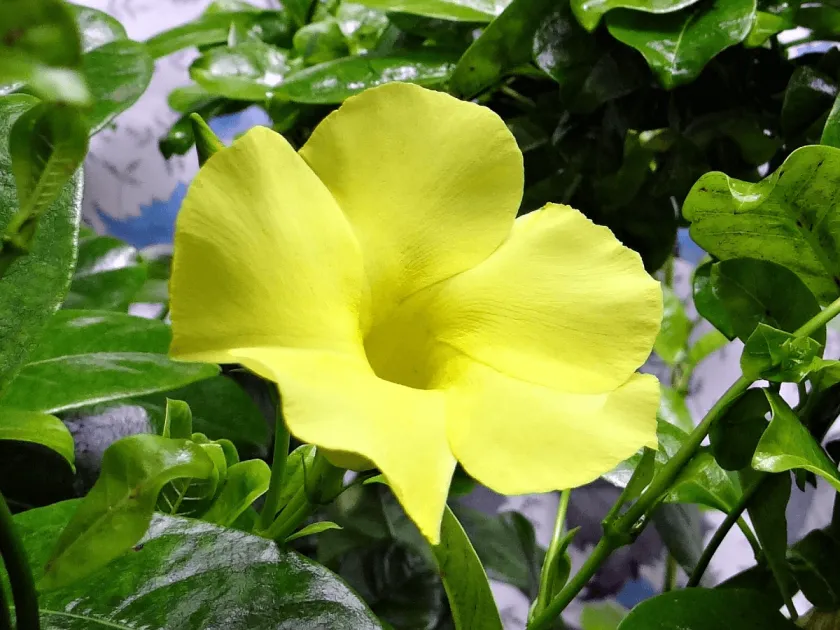
Description
Growing requirements
The yellow nightshade vine (Urechites lutea) is a member of the Apocynaceae family and is widely recognized as a robust tropical climbing plant. Its native habitat spans across the Caribbean and coastal Florida, where it thrives in sandy, well-draining soils.
This species is highly demanding in terms of sunlight exposure, requiring at least six hours of direct sun per day to maintain its vigorous growth. It is strictly a frost-sensitive plant and must be protected if temperatures drop below critical thresholds.
In agricultural settings, the soil medium should be loose and slightly acidic or neutral. Excellent drainage is non-negotiable, as the roots are prone to oxygen starvation and fungal decay when exposed to waterlogged conditions.
Cultural practices involve managing the climbing habit of the plant. Providing durable trellises or supports is essential to allow the vines to expand properly. Regular pruning is also recommended to manage density and encourage more prolific flowering.
Watering should be balanced; keep the soil consistently moist but never soggy. During the growing season, applying liquid fertilizer every few weeks significantly boosts both the foliage health and the production of its signature yellow flowers.
Main diseases and pests
The primary pests affecting Urechites lutea are spider mites, which thrive in warm and dry environments. These pests feed on the underside of leaves, causing discoloration and eventual drop if not treated with appropriate miticides.
Mealybugs are another common threat that tends to congregate in leaf axils and on young stems. Their presence can stunt overall plant growth and lead to the development of sooty mold, which impairs photosynthesis.
Root rot, caused by excessive soil moisture and poor drainage, is the most common disease associated with this crop. Once the root system is compromised, recovery is difficult, making irrigation management the best prevention method.
Fungal leaf spots may occur in high-humidity climates with low air movement. Ensuring proper ventilation around the plant is a critical step in managing the risk of fungal infections and maintaining high leaf quality.
Aphids can sometimes infest budding flowers, damaging the reproductive parts of the plant. A proactive approach, including the use of neem oil or insecticidal soap, is effective in keeping the plant population healthy and free of infestations.