
Hooked sedge
Uncinia uncinata
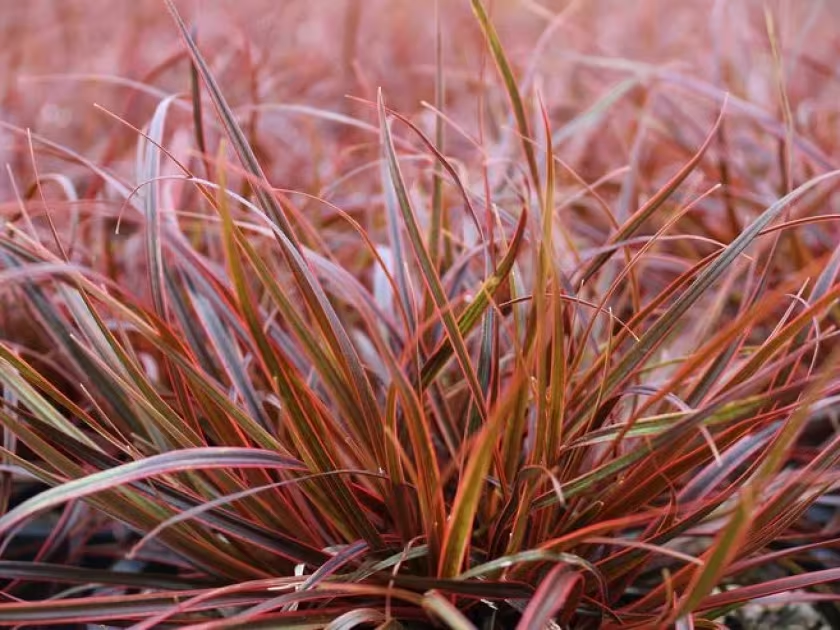
Description
Growing requirements
The hooked sedge, known scientifically as Uncinia uncinata, is a member of the Cyperaceae family. It is a distinctive evergreen perennial native to the temperate forests and hillsides of New Zealand.
The plant thrives in moist, well-drained, and nutrient-rich soils. It prefers an acidic to neutral pH level, mimicking its natural forest floor habitat, and requires consistent moisture throughout the growing season.
Climate adaptation is a critical factor, as this species is not fully frost-hardy in colder northern latitudes. Gardeners in cooler regions often use it as a patio plant, moving it to protected areas during the winter months.
It prefers partial shade or dappled light environments to maintain its unique foliage coloration. Intense, direct sunlight can scorch the delicate leaves and lead to excessive dehydration of the soil medium.
Regular maintenance includes consistent watering to prevent soil compaction and root stress. While it is generally low-maintenance, organic mulch helps retain soil moisture and suppresses unwanted weed growth around the base.
Main diseases and pests
The plant is relatively resistant to major agricultural pests but can be vulnerable to aphids during periods of high humidity. Regular inspection of the foliage is recommended to catch infestations early.
Fungal diseases related to root rot are the most significant threats to the health of Uncinia uncinata. These are almost exclusively caused by poor drainage and waterlogged soil conditions during cold weather.
Harvesting
Hooked sedge is widely valued in landscape architecture for its attractive, bronze-toned leaves. It serves as an excellent ground cover or an accent plant in rock gardens and contemporary container displays.