
Umbraulva olivascens
Umbraulva olivascens
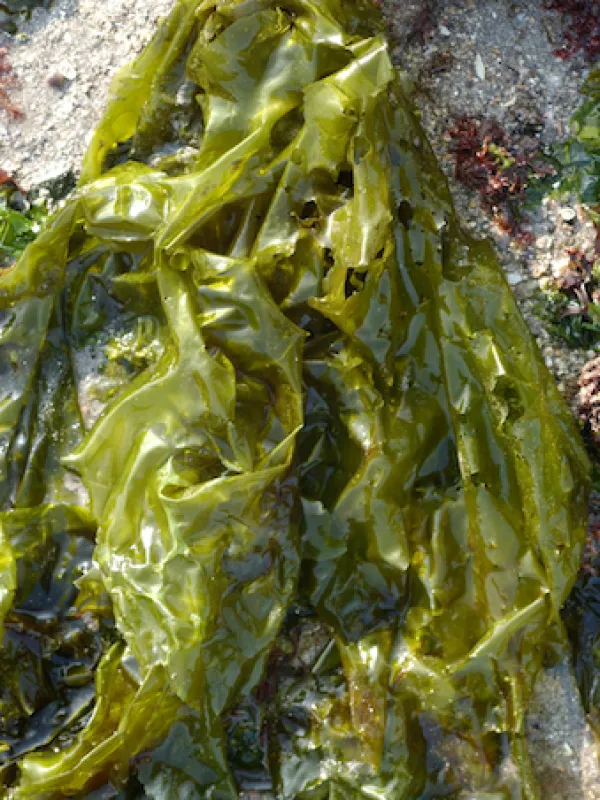
Description
Growing requirements
Umbraulva olivascens is a distinct marine green alga belonging to the Ulvaceae family. It plays a significant role in coastal ecosystems, characterized by its unique thallus structure and rapid growth potential in suitable marine environments.
This species thrives in areas with high water exchange and sufficient light penetration. Optimal growth conditions include moderate nutrient levels, particularly nitrates and phosphates, which support the metabolic activities of the algae during peak seasons.
The culture exhibits remarkable resilience to fluctuating environmental conditions, including temperature variations common in the intertidal zone. Its ability to tolerate short-term desiccation allows it to dominate rocky shorelines and shallow coastal substrates.
Substrate availability is a critical factor for the attachment and proliferation of this species. Rocky outcroppings and stable stony bottoms serve as the primary anchorage, allowing the algae to form dense mats that cover significant coastal areas.
Environmental management involves monitoring water quality to ensure that industrial or agricultural runoff does not negatively impact the population density. Understanding the ecological needs of this species is fundamental for sustainable production.
Harvesting
Harvesting strategies for Umbraulva olivascens focus on timing, ensuring that collection coincides with the peak biomass period to maximize yield efficiency. This sustainable approach helps maintain the long-term viability of the marine populations.
Initial post-harvest processing requires thorough washing to remove sand, debris, and associated epiphytic organisms. Maintaining the purity of the harvested biomass is essential for its application in food and pharmaceutical industries.
Drying methods, including air-drying or thermal dehydration, are utilized to stabilize the biomass and prevent microbial spoilage. Efficient storage allows for year-round availability of the processed algae products.
The applications for this crop are diverse, ranging from human consumption due to its mineral content to use as a nutrient-rich fertilizer in organic agriculture. The high protein and amino acid profile make it a valuable resource.
Future development in the cultivation of Umbraulva olivascens involves the implementation of controlled aquaculture systems. These systems aim to optimize growth rates and environmental impact, fostering a robust and sustainable source of marine botanical products.