
Tyrimnus leucographus
Tyrimnus leucographus
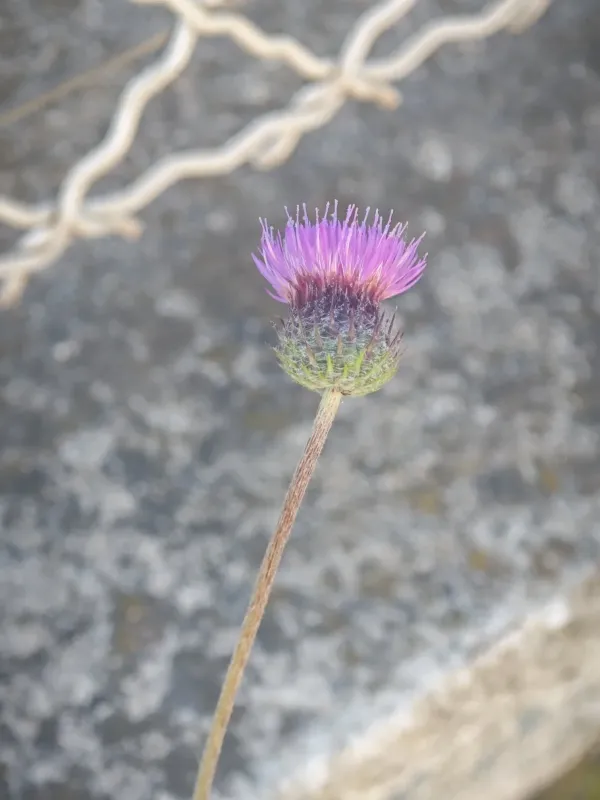
Description
Sowing dates
Tyrimnus leucographus is an annual herbaceous plant belonging to the Asteraceae family. It is typically propagated by seeds, which require optimal soil temperatures, usually between 10 and 15 degrees Celsius, to ensure rapid germination in the spring.
The seeds should be sown at a shallow depth of 1-2 cm in well-prepared, loose soil. This promotes early establishment and helps the seedlings survive potential dry spells occurring in the early stages of their development.
Optimal plant spacing is crucial for this species. When grown in rows, a spacing of approximately 40-50 cm allows for proper airflow and reduces the risk of fungal diseases, while also facilitating mechanical weed control.
Early spring is considered the ideal time for sowing, as it allows the plants to develop a strong root system before the onset of the summer heat, which is typical for its native Mediterranean habitat.
The plant has a high germination rate, which allows for consistent crop density. Proper land preparation, including light harrowing, is recommended to ensure even seed-to-soil contact and consistent emergence across the field.
Growing requirements
This plant thrives in full sun exposure and is highly adapted to arid and semi-arid conditions. It performs exceptionally well in well-drained, rocky, or loamy soils with a neutral or slightly alkaline pH.
Water requirements for Tyrimnus leucographus are relatively low. While the plant benefits from moisture during its vegetative growth phase, it is highly drought-tolerant once established, making it suitable for low-input agricultural systems.
The plant is sensitive to waterlogging. Sites with poor drainage or heavy clay soils that retain excessive water should be avoided, as this significantly increases the risk of root rot and overall plant decline.
Nutrient requirements are modest compared to common cereal crops. Applying moderate amounts of organic matter or balanced fertilizers at planting can enhance overall biomass production without compromising the plant's natural resilience.
Temperature range is generally broad, as the species is adapted to temperate and Mediterranean climates. It can withstand significant diurnal temperature fluctuations, which are common in its natural distribution area.
Main diseases and pests
Pest pressure on Tyrimnus leucographus is mainly characterized by sap-sucking insects like aphids. These pests cluster on the tender floral buds and young leaves, potentially reducing the vigor of the plant during the flowering period.
Fungal pathogens, particularly powdery mildew, can pose a threat if environmental conditions become overly humid or if plant density is too high, preventing proper air circulation between individual specimens.
Root-knot nematodes can occasionally affect the plant if it is grown continuously in the same soil without adequate crop rotation. Implementing a diverse rotation scheme is the most effective preventative measure.
Early-stage foliage damage by cutworms or other lepidopteran larvae is a common challenge. Monitoring of young plants is necessary to apply timely biological controls before damage impacts the growth rate.
Weed competition can be a major threat, especially in the first few weeks after emergence. Timely weeding or the use of mulches in small-scale cultivation can help the crop gain the upper hand over opportunistic weeds.
Harvesting
The harvest strategy for Tyrimnus leucographus depends on the intended use of the crop. For biomass harvesting, the plants are usually cut at the peak of flowering, when the concentration of organic compounds is at its highest.
If the goal is to harvest seeds, the wait should continue until the flower heads turn brown and the bracts show signs of drying. Harvesting must be performed during dry weather to prevent moisture-related quality degradation.
Post-harvest handling involves drying the plant material in a well-ventilated, shaded area. Avoiding direct sunlight is essential for maintaining the color and the chemical integrity of the harvested plant parts.
Seed cleaning should follow the harvest to remove debris, empty husks, and dust. Using fine screens or air separation methods is effective for achieving the purity levels required for storage or sale.
Proper storage is the final step, requiring cool, low-humidity conditions. Seeds kept under these parameters retain their viability for several seasons, allowing for flexible planning of future planting cycles.