
Typhonium trilobatum
Typhonium trilobatum (L.) Schott
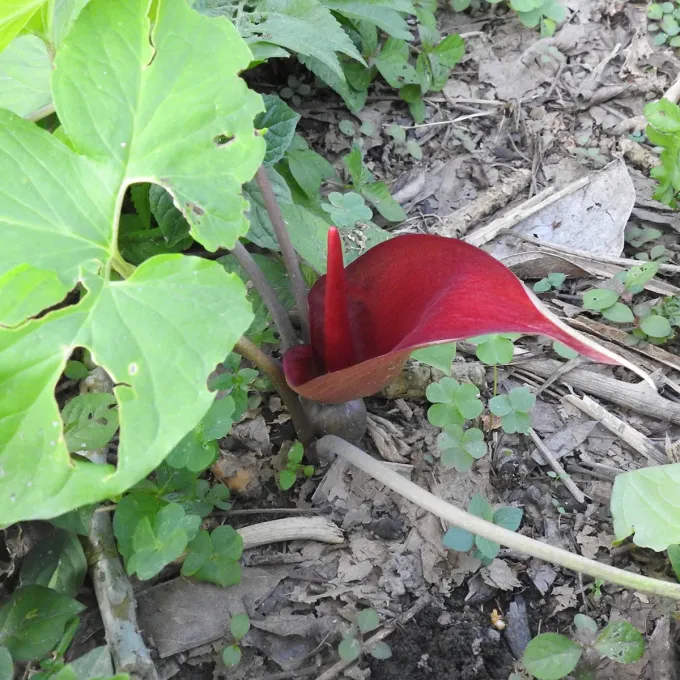
Description
Growing requirements
Typhonium trilobatum is a tuberous herbaceous perennial belonging to the Araceae family. Originating from tropical Asia, it is known for its distinctive three-lobed foliage and unique spathe-and-spadix inflorescence structure.
The plant thrives in warm, humid climates with average temperatures ranging from 20°C to 30°C. It requires partial shade to protect leaves from scorching while maintaining enough light intensity for vigorous growth and tuber development.
Soil requirements include well-drained, fertile, and organic-rich substrates. The plant is sensitive to waterlogging; therefore, maintaining an airy, porous soil structure is essential for root health and to prevent tuber rot.
Water management is crucial during the growing season. The plant requires consistent moisture, but it must be balanced with adequate drainage to prevent physiological disorders and pathogenic attacks on the underground tubers.
In agricultural practice, T. trilobatum is utilized as a subsistence food source in some regions, where tubers are processed to remove calcium oxalate crystals, making them safe for human consumption after cooking.
Main diseases and pests
Pathogenic threats include various root and soft rot diseases, which are typically triggered by excessive irrigation or low soil temperatures, leading to the rapid decay of the tuberous organs.
Common pests such as spider mites and mealybugs frequently attack the foliage, especially in greenhouse conditions where low air humidity facilitates their rapid reproduction.
Integrated pest management strategies involve monitoring plant health, providing adequate spacing to encourage air movement, and using biological control agents or targeted pesticides.
Sanitation practices are vital in managing the crop; removing and destroying infected plant debris reduces the inoculum density of fungal and bacterial pathogens in the cultivation area.
Regular monitoring for viral infections is also recommended, as these can severely affect yield and overall plant vigor, making disease-free propagation material a priority.