
Tuxtla pittieri
Tuxtla pittieri
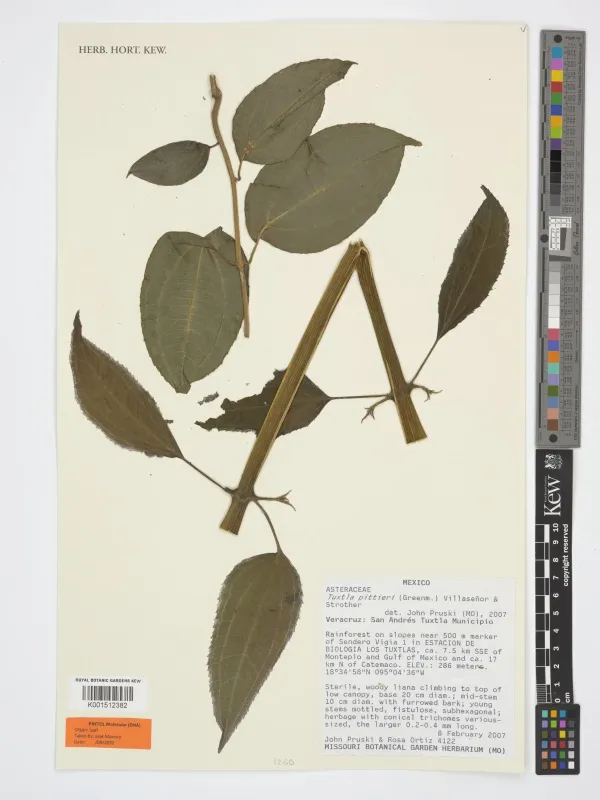
Description
Growing requirements
Tuxtla pittieri is a rare member of the Lauraceae family that naturally inhabits the tropical forest ecosystems of Central America.
This crop is classified as an evergreen tree that thrives in warm, humid climates with high average annual temperatures and consistent precipitation.
The plant has strict soil requirements, preferring well-drained, nutrient-rich substrates with a neutral to slightly acidic pH balance.
In its native habitat, this tree occupies the understory or mid-story, demonstrating a need for shade during its early growth stages and protection from direct, intense sunlight.
Successful cultivation requires meticulous management of moisture levels to prevent water stagnation around the root system, which can be fatal to the tree.
Main diseases and pests
Like many species within the Lauraceae family, Tuxtla pittieri is susceptible to various fungal pathogens typical of tropical environments.
The most significant threats include root rot diseases that occur when soil aeration is poor or irrigation practices are improperly managed.
Pests such as tropical scale insects and spider mites can colonize the foliage, depleting essential nutrients and inhibiting photosynthesis.
In commercial or research nurseries, routine preventative applications of biological insecticides are recommended to maintain plant health.
Attention must also be paid to the integrity of the bark, as any mechanical damage may allow wood-boring insects to compromise the structural health of the trunk.