
Turraeanthus africanus
Turraeanthus africanus (Welw. ex C. DC.) Pellegr.
Description
Growing requirements
Turraeanthus africanus is a prominent tropical tree species belonging to the Meliaceae family. It is native to the rainforest regions of West and Central Africa, thriving in humid environments.
The plant requires deep, nutrient-rich soils with efficient drainage to support its rapid growth. It is highly adapted to tropical climates characterized by high annual rainfall and consistent, warm temperatures.
Botanically, this species is known for its tall, straight bole and evergreen foliage. In its natural habitat, it acts as a significant component of the forest canopy, contributing to the ecosystem's structural complexity.
Agricultural management of this species involves careful site selection and the provision of adequate shade for saplings during their initial establishment phase to prevent sun-scorch and moisture stress.
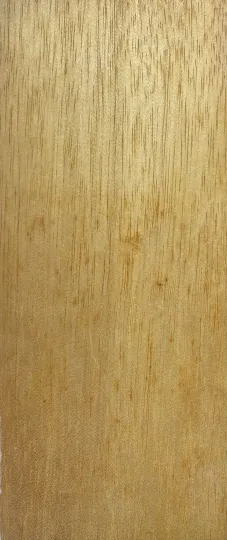
The timber, commercially traded as "Avodire," is highly valued globally for its fine grain, lustrous appearance, and ease of machining, making it a premium choice for high-end furniture and interior veneers.
Main diseases and pests
The tree faces significant risks from various fungal pathogens that can compromise timber quality if the moisture balance in the soil is not strictly managed, leading to root rot.
Xylophagous insects pose a persistent threat, as their boring activity can severely degrade the technical properties of the wood, significantly reducing its commercial and structural value.
Environmental pressures, particularly habitat fragmentation due to land-use changes, have made the maintenance of robust populations in the wild a critical challenge for conservationists.
Management practices must include strict phytosanitary protocols to prevent the spread of localized diseases that can cause wilting or premature leaf fall in younger plantation stands.
Integrated pest management remains the most effective strategy, focusing on balanced soil nutrition and regular monitoring to detect early signs of infestation by wood-boring beetles.