
Turbina oblongata
Turbina oblongata
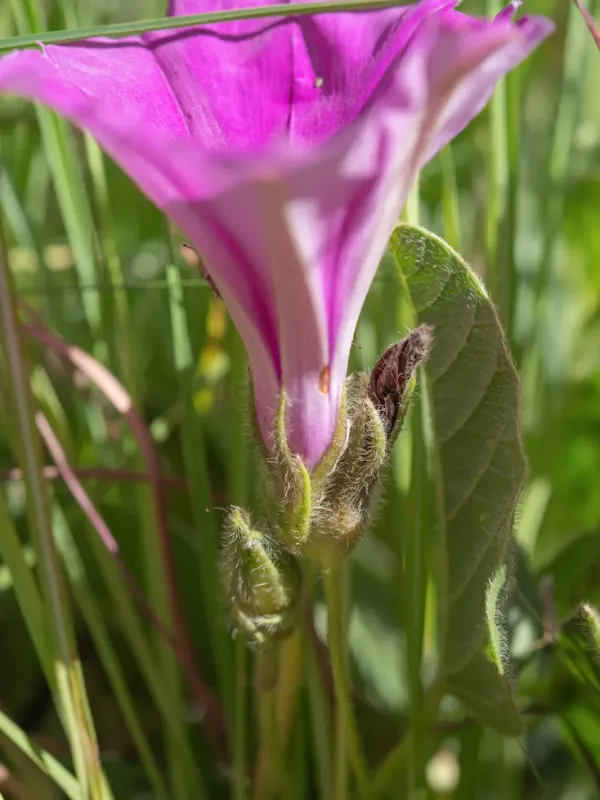
Description
Growing requirements
Turbina oblongata is a botanical species belonging to the Convolvulaceae family. It is a perennial vine characterized by its oblong-shaped leaves and vigorous growth habit in tropical environments.
Originating from the American tropics, the plant requires a warm climate with consistent temperatures. It is not cold-hardy and will suffer significant damage if exposed to freezing conditions.
For optimal growth, the species demands well-drained, fertile soils with a balanced nutrient profile. Avoid heavy clay soils that retain too much moisture, as this leads to root development issues.
The plant is highly photophilous and requires several hours of direct sunlight daily to thrive. In low-light conditions, the vine tends to become leggy and fails to flower effectively.
Its primary use is in specialized botanical horticulture and research. The plant's unique biochemical profile makes it a subject of interest for pharmacological studies within its family group.
Main diseases and pests
Common pests include spider mites, which thrive in dry environments and can cause significant foliage damage if not monitored regularly.
Fungal infections, particularly powdery mildew, are prevalent in environments with high humidity and poor air circulation. Proper spacing of plants is essential for prevention.
Root rot is a major threat caused by over-irrigation. Ensuring a porous substrate and adequate drainage holes is critical to maintaining plant health throughout the season.
Mealybugs can infest the stems and leaf axils, leading to weakened plant vigor and the growth of sooty mold on the foliage due to honeydew secretion.
Various leaf-spotting fungi can affect the plant during the rainy season. Applying copper-based fungicides may be necessary if the infection spreads across the crop.