
Tristicha trifaria
Tristicha trifaria
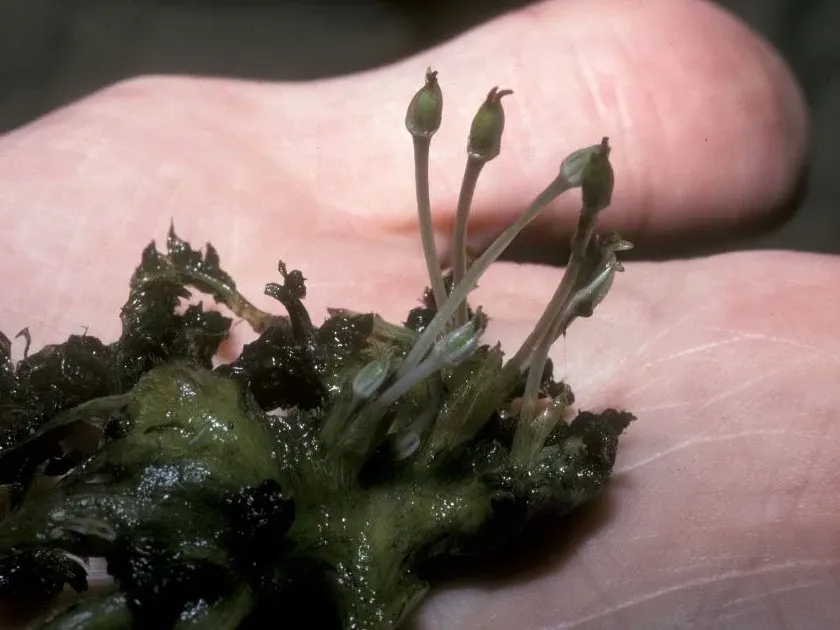
Description
Growing requirements
Tristicha trifaria is a fascinating aquatic plant belonging to the Podostemaceae family, which is specialized for survival in high-energy river environments. Unlike typical terrestrial crops, this plant thrives by attaching itself to submerged rocks in fast-flowing tropical streams and waterfalls.
The distribution of this species spans across tropical regions of Africa, Asia, and the Americas. Its survival is strictly tied to clear, oxygen-rich waters where it can withstand the mechanical stress of constant river currents through highly adapted root-like attachment organs.
Botanically, the plant exhibits a thallus-like morphology with small, arranged leaves that allow it to remain submerged while minimizing drag. This unique adaptation reflects the evolutionary pressure to occupy a niche that is inaccessible to most other botanical species.
For growth in controlled environments, it requires very specific parameters, including strong water flow, high aeration, and strict chemical stability. The plant is highly sensitive to pollutants, making it a valuable biological indicator for stream health.
From an agricultural standpoint, Tristicha trifaria is not a crop in the traditional sense; it has no significant role in food production or industrial processing. Its primary interest lies in botanical research and specialized aquatic plant collections that focus on rheophytes.