
Trismeria
Trismeria
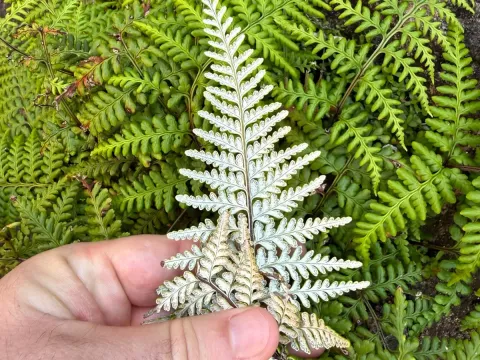
Trismeria is a genus of ferns belonging to the Pteridaceae family. In many botanical references, it is considered closely related to or synonymous with the genus Gymnogramma, known for its unique foliage and growth patterns.
What the section contains

Trismeria
Native to the tropical regions of the Americas, this plant thrives in humid environments. Its natural habitat includes damp forest floors and rocky outcrops where the atmosphere remains consistently moist.
For successful cultivation, the plant requires a temperature range between 18 and 24 degrees Celsius. It is highly intolerant of frost, which makes it suitable only for indoor environments or greenhouses in temperate climates.
Soil requirements involve a well-draining, humus-rich substrate. A mix consisting of peat moss, pine bark, and perlite provides the necessary structure to prevent compaction while retaining moisture effectively.
Maintenance involves keeping the soil consistently moist but never waterlogged. Regular misting of the fronds is essential, as the plant relies on high humidity for the healthy development of its delicate foliage.
The primary threats include spider mites, which thrive in low-humidity indoor environments. These pests can rapidly colonize the fronds, leading to a loss of vigor and distinctive discoloration of the foliage.
Root rot is a critical risk associated with poor drainage and excessive irrigation. If the roots remain saturated for extended periods, the plant may collapse due to the rapid spread of pathogenic soil fungi.
Fungal leaf spots can occur when air circulation is inadequate. Ensuring that the foliage stays dry while the roots remain hydrated is key to preventing these types of infections.
Scale insects can occasionally infest the stems, requiring manual removal or treatment with appropriate horticultural oils. Early detection is vital to prevent these pests from spreading to other plants.
Salt buildup from fertilizers or hard water can damage the sensitive root system. Flushing the soil occasionally with distilled water helps to prevent toxic accumulations and maintains healthy growth.