
Trichopetalum plumosum
Trichopetalum plumosum
Description
Growing requirements
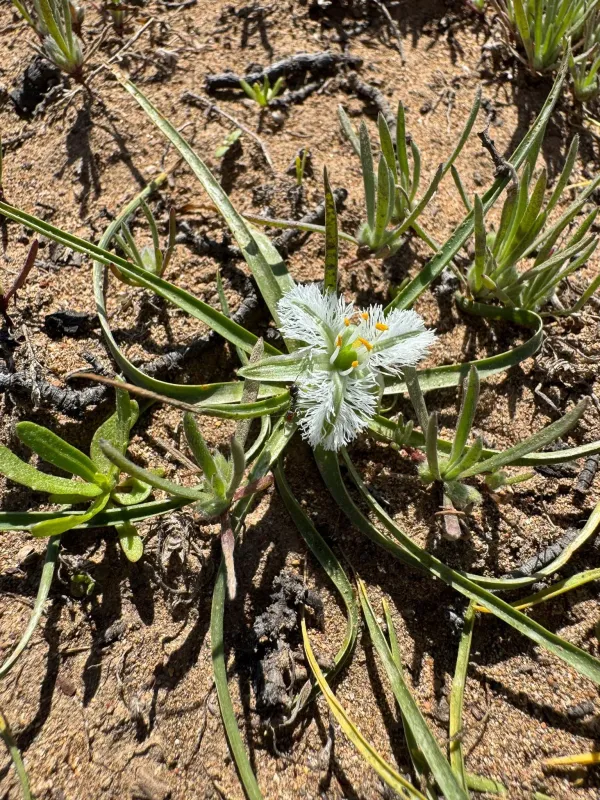
Trichopetalum plumosum is a member of the Asparagaceae family and is native to the diverse landscapes of Chile. This perennial herbaceous plant is known for its delicate, feathery appearance and specialized growth cycle adapted to a Mediterranean-like climate.
The plant features slender, grass-like leaves rising from a robust root system. Its most distinctive characteristic is the inflorescence, which displays complex, feathery structures that provide significant ornamental value in specialized greenhouse collections.
Cultivation requires well-draining, loose soil that mimics the rocky and sandy substrates found in its natural habitat. Soil aeration is critical to prevent the root system from suffocating or developing fungal issues during the growth phase.
Ideal environmental conditions include bright, filtered light and moderate temperature ranges. It is essential to replicate a dormant season by reducing water significantly once the foliage begins to show signs of senescence at the end of the growth cycle.
Economically, this species is utilized in the ornamental plant trade. Its unique aesthetic makes it a sought-after specimen for collectors of rare bulbs and exotic perennial vegetation in various temperate regions.
Main diseases and pests
Root rot is the primary physiological threat to this crop, typically caused by excess humidity and poor drainage. Ensuring the substrate dries out between watering intervals is the most effective management strategy for plant health.
Pests such as mealybugs and spider mites are frequent threats in greenhouse environments. These insects can quickly diminish plant vitality if not controlled through early identification and manual removal or biological treatments.
Preventative maintenance involves careful sanitation practices within the growing area. Removing old debris and dead leaves prevents the establishment of fungal spores that thrive in damp, stagnant environments.
Fungal leaf spots can occur if the humidity levels are consistently too high. Improving airflow through passive or active ventilation is highly recommended to keep the foliage dry and healthy throughout the year.
Integrated Pest Management (IPM) protocols should be applied to maintain the vigor of the plants. Using neem oil or soft soaps can often suffice to address minor infestations without harming the delicate structure of the plant.