
Tricholepis glaberrima
Tricholepis glaberrima
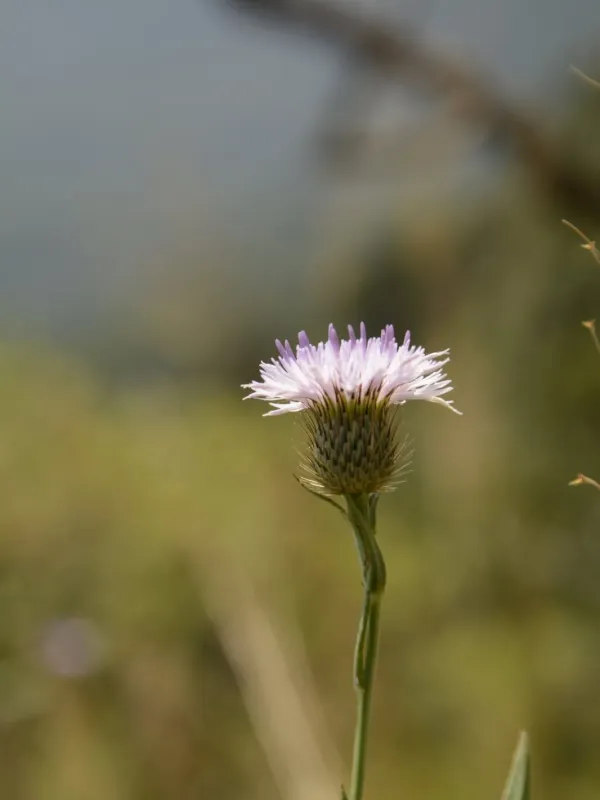
Description
Sowing dates
Tricholepis glaberrima is a herbaceous plant that, while often found in the wild, can be propagated through systematic seed sowing. Seeds should be sown at the onset of the monsoon season to ensure adequate soil moisture for germination.
Soil preparation requires clearing the field of debris and ensuring the earth is loose enough to allow for root expansion, as the plant possesses a significant root system.
Seeds are typically sown at a depth of 1-2 centimeters. Covering them with a thin layer of organic mulch helps maintain consistent moisture levels during the critical sprouting phase.
Spacing between plants should be sufficient to prevent crowding, which is essential for maximizing biomass production and ensuring effective sunlight penetration.
In managed cultivation settings, selecting high-viability seeds is crucial for achieving uniform plant density and optimizing overall field efficiency.
Growing requirements
Belonging to the Asteraceae family, Tricholepis glaberrima thrives in open, sunny environments. It is adapted to rocky or sandy soils that offer excellent drainage, which is vital for its health.
The plant demonstrates a preference for neutral to slightly alkaline soil conditions. Proper irrigation management is required to prevent waterlogging, which the plant cannot tolerate.
Temperature range is critical for growth; the plant performs best in warm climates with temperatures between 22°C and 30°C. It is highly sensitive to frost and extreme cold.
Regular weeding is mandatory, as the plant is susceptible to competition from more aggressive weeds during its early development stages.
Providing balanced fertilization, particularly potassium-based nutrients, helps in strengthening the plant's natural defenses against environmental stressors.
Yield
The primary yield from this crop consists of the aerial biomass (leaves and stems), which is valued for its pharmacological properties. Efficiency of yield is directly linked to the timing of harvesting.
The estimated yield can vary based on soil fertility, moisture availability, and the duration of the growth period, generally reaching its peak just before the end of the flowering cycle.
Post-harvest management involves careful drying in well-ventilated sheds. Avoiding direct sunlight during drying is essential to prevent the loss of volatile compounds.
Yield quality is measured by the concentration of specific active phytochemicals. Proper storage in dry, dark conditions is required to maintain product integrity over time.
Consistent agronomic practices, such as timely soil aeration, can significantly increase the total biomass yield per hectare for commercial producers.
Main diseases and pests
Fungal pathogens, especially root rot and powdery mildew, represent the most significant threats to Tricholepis glaberrima, especially when humidity levels are excessively high.
Insect pests, such as aphids and specific beetle larvae, may cause damage to foliage, which necessitates a proactive integrated pest management strategy.
Preventative measures include crop rotation and ensuring that the field has enough space to allow for natural airflow, reducing the humidity around the leaves.
Biological controls are preferred over synthetic pesticides to maintain the chemical purity of the harvested plant material, which is often intended for medical use.
Regular scouting of the fields helps in early identification of pest colonies, allowing for localized treatments instead of broad-spectrum applications.
Harvesting
Harvesting should be synchronized with the plant's flowering phase, as this is when the concentration of essential secondary metabolites reaches its maximum level.
Manual harvesting using sharp tools is recommended to ensure clean cuts, which aids in preventing tissue damage that could lead to subsequent microbial decay.
The crop is cut at a specific height above the ground level, allowing the plant structure to remain intact for potential secondary harvests or recovery.
Post-harvest cleaning is essential to remove soil particles and debris, ensuring that the harvested material meets the necessary standards for pharmaceutical or cosmetic use.
Transporting the material promptly after the harvest to a processing site is vital to prevent wilting and degradation of the plant's delicate chemical components.