
Puncture vine
Tribulus terrestris L.
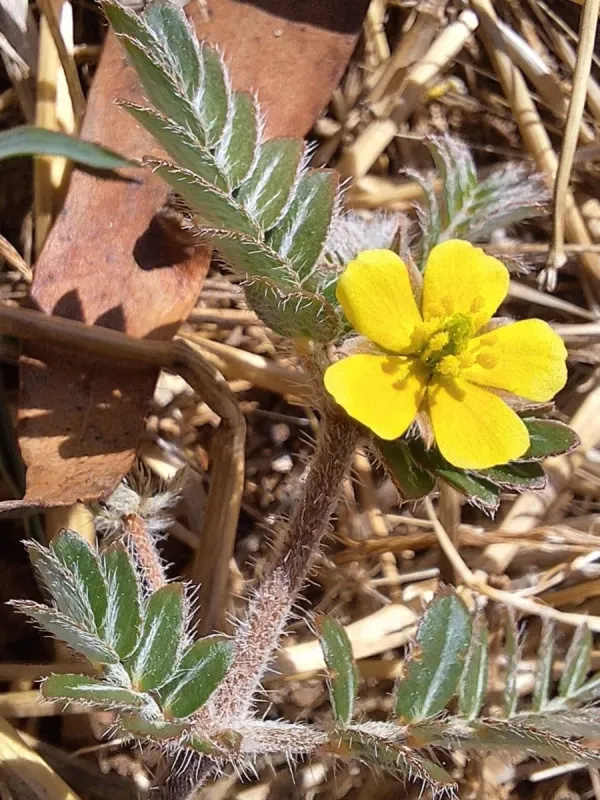
Description
Sowing dates
Sowing Puncture vine for agricultural or medicinal purposes is conducted in spring, typically when soil temperatures reach 15–18°C. Late April is often considered the optimal window for steady germination.
The seeds possess a hard outer coat, necessitating scarification or stratification techniques to ensure uniform emergence. Seeds should be sown at a depth of 2–3 centimeters into well-drained soil.
The plant is best suited for wide-row planting, which allows for mechanical weed control and sufficient aeration between the growing vines. This spacing also prevents excessive competition for nutrients.
Natural dispersal occurs via spiny fruits that stick to surfaces, but in an agricultural setting, farmers must carefully manage the harvest to prevent the plant from becoming an uncontrollable weed.
A density of approximately 15–20 plants per square meter is usually sufficient to establish a productive stand that maximizes space usage without causing overcrowding.
Growing requirements
Puncture vine, a member of the Zygophyllaceae family, is a highly resilient xerophyte. It is specifically adapted to arid, semi-desert conditions and performs best in sandy or gravelly soils.
This crop has a high demand for solar radiation. Exposure to direct sunlight is crucial for the development of its vegetative mass and the subsequent accumulation of bioactive compounds.
Soil requirements include excellent drainage, as the species is highly sensitive to waterlogging. Excessive moisture in the root zone often leads to rapid decay and poor yield outcomes.
Climatic preferences include high heat, with optimal growth occurring between 25°C and 35°C. It thrives in regions with long, hot summers where other, more fragile crops might fail.
Agricultural practices should prioritize timely cultivation to preserve soil moisture and remove competing weeds, especially during the early stages of plant development.
Yield
The yield of harvested biomass typically ranges from 5 to 10 quintals of dry raw material per hectare. Efficiency depends heavily on seasonal conditions and careful nutrient management.
The primary value of the crop lies in its aerial parts, which contain high concentrations of steroid saponins, flavonoids, and alkaloids used in the pharmaceutical industry.
Micro-nutrient supplementation during the budding phase can significantly improve the concentration of active ingredients. However, nitrogen applications should be minimized to avoid reducing chemical quality.
Economic success is determined by the processing efficiency, specifically the drying method. Slow, controlled drying at temperatures below 45°C preserves the stability of the plant's compounds.
Due to its extreme drought tolerance, Puncture vine provides a stable yield even in years characterized by severe water scarcity, making it a reliable niche crop for arid regions.
Main diseases and pests
Puncture vine is generally resistant to many common agricultural pests and diseases. However, improper irrigation can lead to susceptibility to root rot, which is the most frequent pathological issue.
Powdery mildew may occur during periods of high humidity and poor air circulation. Maintaining wide row spacing and ensuring proper soil drainage are the best preventative measures.
Some insects that feed on reproductive organs, such as flowers and fruits, can impact seed set. These pests require monitoring if the primary goal is seed production rather than leaf biomass.
Steppe-dwelling beetles may occasionally feed on the stems, but since the plant is intended for medicinal use, the application of chemical pesticides is strictly limited and generally avoided.
Integrated pest management, focusing on crop rotation and the elimination of host plants nearby, remains the most sustainable way to protect the harvest.
Harvesting
Harvesting is performed during dry weather to ensure product purity. The ideal time is during the mass flowering stage, often when the first spiny fruits begin to develop.
The aerial parts are harvested using mechanical harvesters and must be processed immediately to prevent heating and degradation of the volatile compounds due to high moisture levels.
Post-harvest processing involves shredding the dried material to the required specifications. The final product should be stored in a cool, dry, and light-protected environment.
Safety is a major concern during harvest, as the plant's sharp spines can easily puncture skin and damage standard machinery tires, requiring specialized equipment or protective gear.
Properly cured and stored, the raw material retains its potency for an extended period, provided it is kept in moisture-proof containers to prevent fungal contamination.