
Trematodon ambiguus
Trematodon ambiguus
Description
Growing requirements
Trematodon ambiguus is a species of moss belonging to the family Dicranaceae. It is important to clarify that this plant is not a cultivated agricultural crop, but a wild bryophyte of significant interest to botanical science and ecological studies.
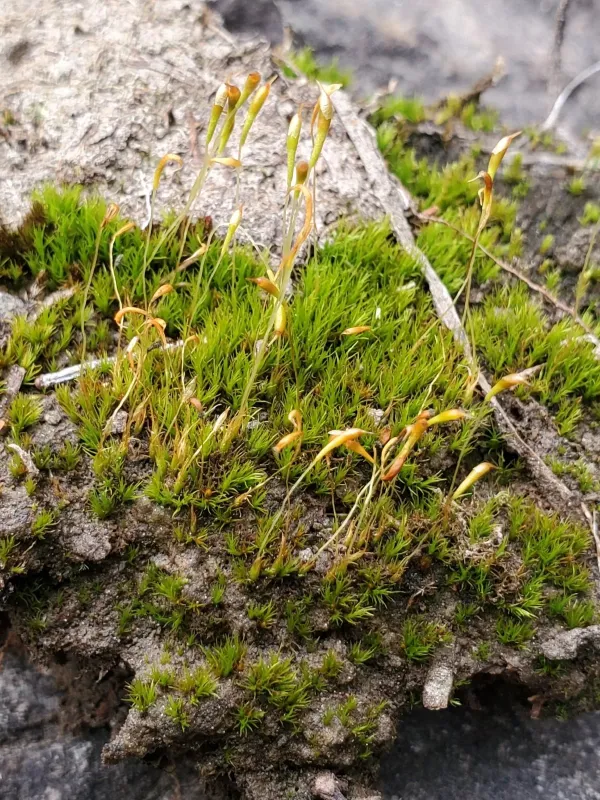
Botanically, the species is distinguished by its small, tufted growth habit and prominent sporophytes with elongated setae. The leaves are typically lanceolate with a distinct costa, which helps in the identification of this genus among other similar moss species found in northern regions.
The natural habitat of this moss includes moist, disturbed mineral soils, such as forest edges, roadside banks, and sandy soil patches. It thrives in environments where it can colonize open ground, acting as a pioneer species in the regeneration of soil surfaces.
Climatic requirements focus on moisture retention and temperature stability. This moss does not tolerate extended periods of desiccation or harsh, direct sunlight, preferring the microclimate of shaded or semi-shaded woodland areas where humidity levels remain consistent.
In terms of ecological utility, Trematodon ambiguus contributes to soil stabilization and biodiversity. While it has no agricultural or commercial applications, it serves as a bio-indicator for environmental health and is a valuable subject for research in bryology and ecological restoration.