
Todea barbara
Todea barbara
Description
Growing requirements
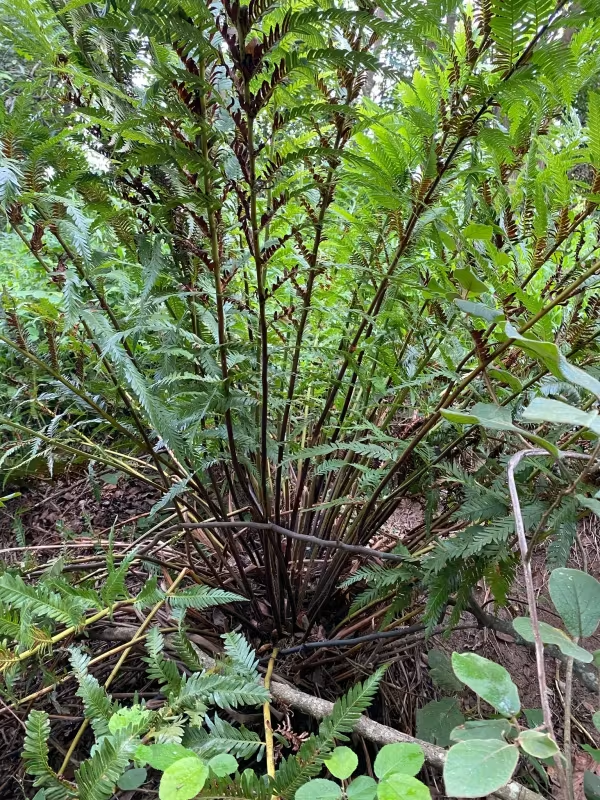
Todea barbara, commonly known as the king fern, is a majestic species belonging to the Osmundaceae family. This prehistoric fern is native to parts of Australia, New Zealand, and South Africa, where it thrives in moist, sheltered environments and riverbanks.
The plant is biologically unique due to its massive, slow-growing rhizome that develops into a tree-like trunk over many decades. Its fronds are leathery, pinnately compound, and deep green, often reaching a significant length in optimal wild conditions.
Cultivation requires strict adherence to environmental parameters: high atmospheric humidity (at least 70%) and stable temperatures. It is imperative to keep the root system consistently moist but not waterlogged, using distilled or filtered water to prevent mineral buildup.
The growing medium should be highly aerated and well-drained. A mix of shredded bark, peat moss, and perlite provides the necessary structure to support the heavy trunk while allowing for sufficient oxygen exchange at the root level.
In ornamental horticulture, Todea barbara is highly prized for winter gardens and conservatories. It requires filtered light or deep shade, as intense sunlight can easily cause irreversible damage to the frond structures and desiccate the plant.
Main diseases and pests
The primary threats to the king fern are fungal pathogens triggered by poor air circulation and excessive moisture on the fronds. These infections can lead to rapid decay of the crown, often proving fatal if not addressed immediately.
Insect pests such as spider mites and scale insects are common in indoor collections, especially if the air becomes too dry. Manual removal or soft soap-based treatments are preferred over harsh chemical pesticides.
Root rot is a critical concern, often caused by heavy, compacted soils that do not allow proper drainage. Once the roots are compromised, the plant struggles to transport water, leading to limp and yellowing foliage.
Thrips can also infest the new, tender growth (croziers) as they unfurl, causing stunted and deformed fronds. Monitoring these growth points during the spring season is vital for the plant's structural integrity.
Proper hygiene is the best defense: removing old, withered fronds with sterile tools and ensuring steady airflow will significantly reduce the likelihood of pest outbreaks and disease spread.