
Timmia norvegica
Timmia norvegica
Description
Growing requirements
Timmia norvegica is a notable moss species belonging to the family Timmiaceae. While it is not an agricultural crop in the traditional sense, understanding its biological requirements is crucial for ecological monitoring and biodiversity conservation in northern landscapes.
This species is predominantly found in Arctic and mountainous regions of the Northern Hemisphere. Its distribution is closely linked to cold, temperate climates where the thermal regime remains low for the majority of the year, supporting the moss's specific metabolic processes.
Regarding soil requirements, Timmia norvegica is a calciphile. It thrives in environments where carbonate-rich substrates are present, such as limestone crevices, moist rocky outcrops, and calcareous tundra soils which provide the necessary mineral nutrients.
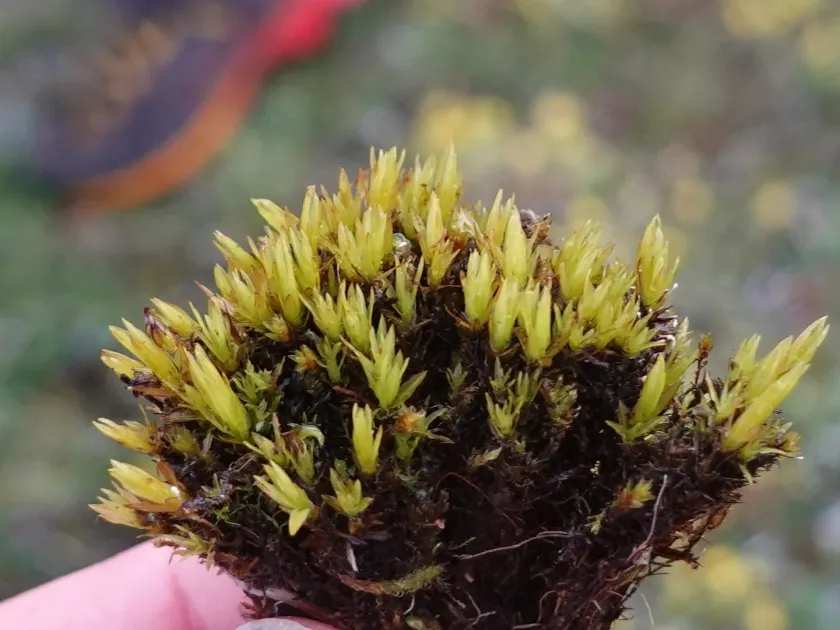
The morphology of the plant is adapted to survive harsh conditions. It forms dense, loose tufts with erect stems and lanceolate leaves that can withstand mechanical stress and extreme cold. Its ability to absorb moisture efficiently is vital for its survival in high-altitude environments.
Effective growth depends on consistent moisture availability and high air humidity. The species is highly specialized, meaning it cannot easily adapt to changing environmental conditions, making it an excellent indicator species for the health of polar and alpine ecosystems.
Main diseases and pests
The primary threat to Timmia norvegica is climate change, particularly the warming of Arctic ecosystems. Increased temperatures can disrupt the delicate balance required for its reproduction and growth, leading to a decline in its native population density.
Habitat loss due to changes in hydrological patterns poses a significant danger. As permafrost thaws and soil drainage alters, the moisture levels required for the survival of this moisture-dependent moss species decrease significantly.
Human activities, such as excessive trampling in mountainous regions and industrial encroachment, represent a persistent threat. The slow recovery rate of the moss makes it highly susceptible to long-term damage from localized physical disturbance.
Atmospheric pollution and changes in soil chemistry are equally critical issues. Because mosses lack a protective cuticle and absorb nutrients directly from their surroundings, they are highly sensitive to the deposition of atmospheric pollutants and heavy metals.
Conservation strategies focus on protecting these sensitive habitats from direct human impact and monitoring long-term environmental shifts. Preservation of these remote ecosystems is essential to ensuring the continued existence of Timmia norvegica in the wild.