
Tieghemopanax sambucifolius
Tieghemopanax sambucifolius
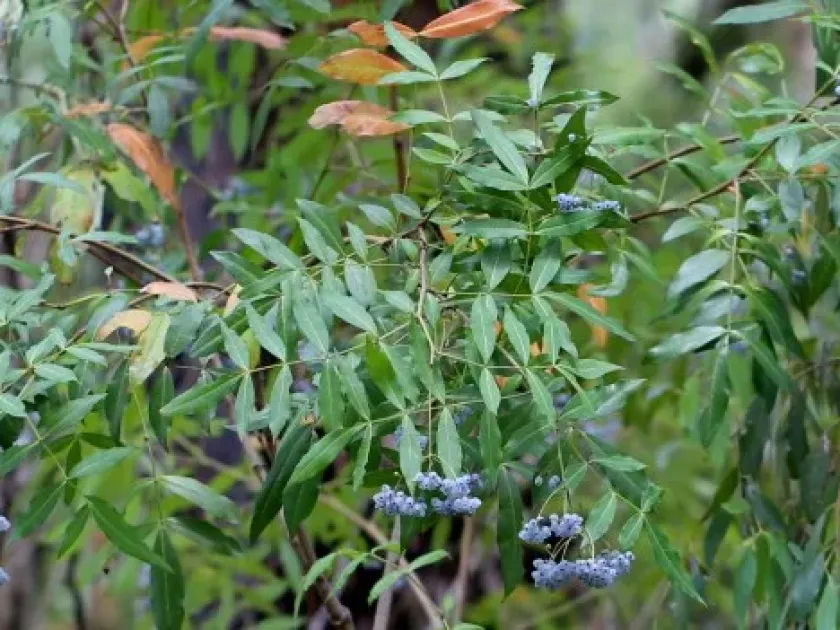
Description
Growing requirements
Tieghemopanax sambucifolius, a member of the Araliaceae family, is an evergreen shrub or tree native to the coastal regions of Australia. Known commonly for its foliage that mimics elderberry leaves, this plant is a valued specimen in ornamental horticulture and specialized landscaping.
The cultivation of this species requires a temperate climate with protection from severe frost, as the plant is not winter-hardy in colder zones. It thrives best in well-draining, nutrient-rich soils that maintain consistent moisture without becoming waterlogged.
Regarding light conditions, the plant prefers bright, indirect sunlight. Direct exposure to intense afternoon sun can scorch the delicate leaves, particularly in younger specimens. Therefore, placement in areas with partial shade is often ideal for maintaining vibrant leaf color.
Agricultural management includes regular soil enrichment with organic compost during the spring growing season to support canopy development. Mulching the base of the plant helps retain soil moisture and prevents temperature fluctuations that could stress the root system.
Tieghemopanax is primarily utilized in garden design for its aesthetic appeal. It serves as a striking focal point in diverse landscapes or as a textured backdrop in mixed shrub borders, adding a sophisticated evergreen element to the design.
Main diseases and pests
Root rot is the most common threat to this species, typically caused by improper drainage or excessive irrigation. Ensuring a high-quality soil mix and avoiding standing water are essential preventive measures for healthy root growth.
In greenhouses or domestic gardens, pests such as spider mites and mealybugs can pose a threat to the plant's vitality. Regular inspections and the application of appropriate biological controls or insecticides can help mitigate these infestations.
Fungal infections on stems or leaves, often induced by poor air circulation or high humidity, require careful attention. Removing affected plant parts and ensuring adequate spacing between individual trees significantly reduces the risk of disease spread.
Nutrient deficiency, specifically of micronutrients, can lead to foliage yellowing, impacting the plant's decorative value. Applying balanced, chelated nutrient sprays can correct these imbalances and revitalize the plant's appearance.
Mechanical damage to the bark should be avoided to prevent pathogens from entering the plant structure. Proper pruning techniques, performed with sanitized tools, ensure that the plant remains healthy and resistant to environmental stressors.