
Thyrsodium spruceanum
Thyrsodium spruceanum
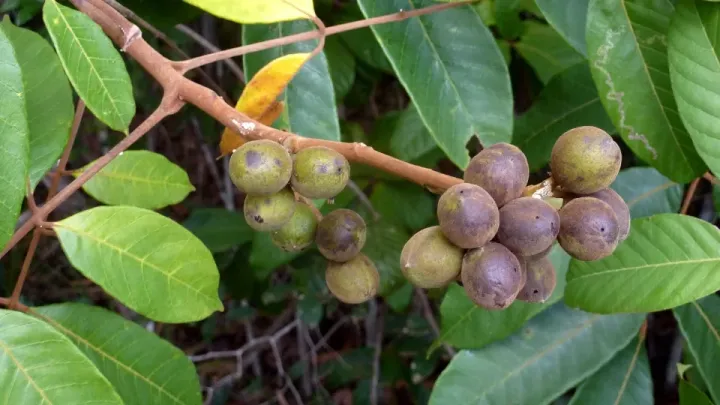
Description
Growing requirements
Thyrsodium spruceanum is a botanical species belonging to the Anacardiaceae family. It is natively found in the tropical regions of South America, thriving in ecosystems that provide high levels of humidity and warm temperatures year-round without significant seasonal drops.
The plant demonstrates a strong preference for fertile alluvial soils, commonly found along riverbanks and in floodplains. These environments offer the specific nutrient profiles and moisture levels required for the optimal physiological development of this woody species.
Botanically, the tree is recognized for its distinctive inflorescences shaped as thyrsoids, which gives the genus its name. The foliage is typically compound, arranged in a way that maximizes photosynthetic efficiency under the canopy of rainforest environments.
In terms of economic utility, the tree is primarily valued for its durable timber. Local forestry practices often focus on sustainable harvesting of mature trees, which possess wood qualities suitable for varied construction and carpentry purposes.
Agricultural propagation is primarily achieved through seed germination. The process requires precise moisture management and protection from direct high-intensity light during the initial sapling stage, as the species is adapted to partial shading in its natural habitat.
Main diseases and pests
The species faces pressure from various tropical fungal pathogens that thrive in high-humidity environments. Leaf spot diseases and root rot are the most common concerns, often appearing when soil drainage is poor or air circulation around the crown is limited.
Insects, particularly wood-boring beetles and defoliating caterpillars, pose a significant risk to tree health. In native forests, natural predators usually keep these populations in check, but in plantation settings, manual monitoring is required to prevent widespread infestation.
Competition from invasive fast-growing vines is a persistent threat to young Thyrsodium spruceanum trees. Without active management to clear the surrounding vegetation, saplings can easily be smothered and fail to reach maturity.
Nutrient deficiencies, particularly regarding micronutrients available in specific riverine soils, can result in stunted growth. Proactive soil testing is recommended to ensure that the required mineral balance is maintained for long-term tree productivity.
Climate instability, manifesting as prolonged droughts or extreme flooding events, disrupts the tree's reproductive cycle. Mitigation strategies include soil mulching to conserve moisture and planting in areas with stable hydrology to ensure the resilience of the stand.