
Thyridia repens
Thyridia repens
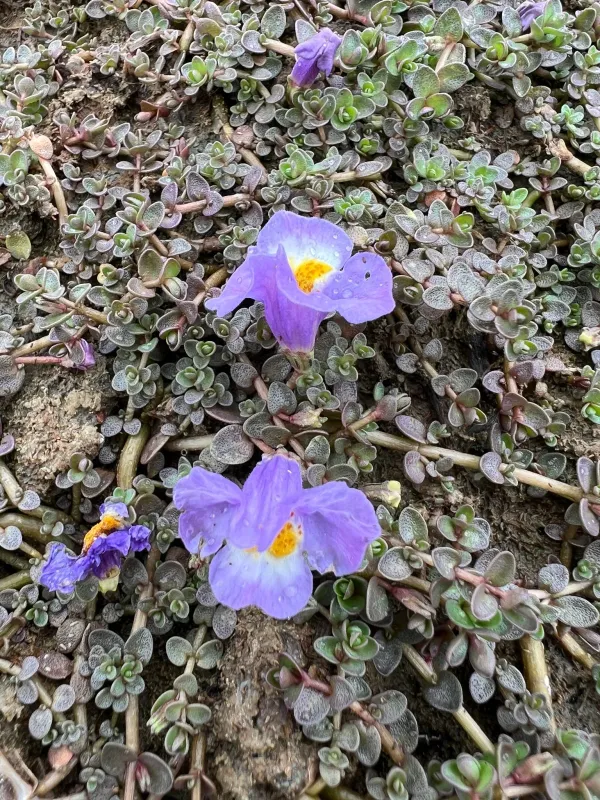
Description
Sowing dates
Sowing of Thyridia repens is best performed in the spring when soil temperatures reach 10–12 degrees Celsius. Ensuring adequate soil moisture during the initial two-week period is critical for achieving uniform and vigorous germination.
The seeds should be planted at a shallow depth of 1–2 centimeters. Using precision seed drills helps maintain optimal plant density, which prevents overcrowding and allows for uniform access to sunlight and soil nutrients.
The recommended seeding rate varies between 8–12 kilograms per hectare, depending on seed viability and local soil conditions. It is essential to calibrate equipment to ensure an even distribution of seeds across the field.
In regions with mild winters, late-autumn or winter sowing may be practiced to utilize early spring moisture. This method requires careful field preparation and robust weed control strategies to ensure the plants thrive.
Rolling the soil after sowing is a highly recommended practice. This action ensures proper seed-to-soil contact, which significantly improves the germination rate and protects the seeds from drying out in the upper soil profile.
Growing requirements
Thyridia repens, belonging to the Boraginaceae family, prefers fertile, well-drained loamy or sandy-loam soils. The crop is sensitive to waterlogging, making proper field drainage a prerequisite for successful cultivation.
The plant is light-demanding and performs best in open, sun-exposed areas. A lack of sufficient light exposure can result in stunted growth and a significant reduction in biomass production throughout the growing season.
An temperate climate with moderate temperatures is ideal for this crop. While it possesses some tolerance to short-term drought conditions, consistent moisture levels during peak growing phases are required for maximum yield.
Suitable preceding crops include cereal grains or winter crops. Crop rotation is essential to prevent the buildup of soil-borne pathogens and to maintain the overall phytosanitary health of the field for future cycles.
Balanced fertilization is necessary to support vigorous growth. Nitrogen and phosphorus applications during the early vegetative phase stimulate leaf development, ensuring the crop reaches its full productive potential.
Yield
With optimal agricultural management, Thyridia repens provides consistent and high yields of green biomass. Depending on environmental conditions, it is possible to harvest two to three cuts per season.
Average biomass yields range between 150 and 250 quintals per hectare. These figures can be significantly influenced by local soil fertility, the quality of fertilizer application, and the availability of water.
Peak nutritional value is achieved before the flowering phase. Harvesting the crop at this stage ensures the production of high-quality forage rich in essential proteins and vitamins for livestock use.
The plant exhibits excellent regrowth capabilities following each cut, provided that moisture is available. This makes it an efficient and reliable component for intensive green fodder production systems.
When grown for seed, yields typically reach 3–5 quintals per hectare. It is crucial to monitor maturity levels closely to avoid significant harvest losses caused by natural seed shattering in the field.
Main diseases and pests
Powdery mildew and leaf spot diseases are the primary threats, particularly in high-humidity conditions. Maintaining proper plant spacing is an effective cultural control method to reduce the risk of disease spread.
Leaf-eating beetles are the most common pests, capable of damaging a large portion of the leaf surface if left unchecked. Integrated pest management, including systemic insecticides, is recommended for effective control.
Root rot diseases can occur if the soil remains excessively wet or if crop rotation practices are neglected. Using high-quality treated seeds can mitigate early-season pathogen pressure on the developing seedlings.
Weed competition is a significant challenge during the early stages of plant growth. Early mechanical cultivation or the use of selective herbicides is necessary to allow the crop to establish itself firmly.
Regular field scouting is essential for the early detection of pests and diseases. A proactive approach to plant health management ensures that the crop maintains its productivity throughout the entire growing season.
Harvesting
Harvesting for green fodder should be timed to coincide with the early flowering stage. Using standard forage mowers ensures clean cutting, which supports rapid regrowth and maintains high crop quality.
For seed production, a two-stage harvesting process is preferred. The crop is cut and windrowed to allow for uniform drying, followed by combine harvesting using appropriate drum settings to prevent damage.
Equipment calibration is critical to minimize harvest losses. Careful adjustment of harvest components prevents seed breakage and ensures that the final product meets commercial standards for quality and cleanliness.
Post-harvest processing involves cleaning the seeds of organic residues and drying them to a moisture content of 12-14%. Proper storage in ventilated, dry areas is necessary to prevent spoilage and maintain seed longevity.
Harvest activities should ideally take place during dry, clear weather. Rain during the harvest process can negatively impact the quality of the biomass and reduce the commercial value of the collected seeds.