
Thouinidium decandrum
Thouinidium decandrum
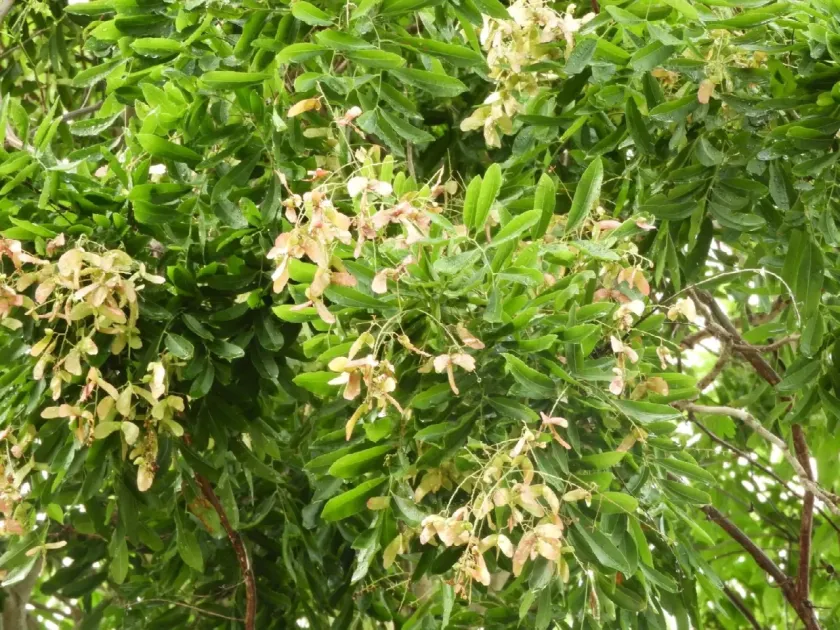
Description
Growing requirements
Thouinidium decandrum is a woody plant belonging to the Sapindaceae family. It is native to the tropical forests of Mexico and Central America, where it thrives as a characteristic species of dry tropical woodlands.
The culture prefers regions with a marked seasonal climate. Being a light-demanding species, it requires ample exposure to sunlight to ensure proper crown development and healthy foliage production.
Optimal growth is achieved in well-drained soils, typically loamy or sandy-loam substrates with a neutral to slightly acidic pH. The plant exhibits moderate tolerance to seasonal drought conditions.
Agricultural management involves protecting young saplings from cold winds and frosts, as the species is sensitive to low temperatures that deviate significantly from its tropical habitat range.
Its primary economic value stems from its ornamental appeal, alongside the utilization of its durable wood in local craftsmanship and traditional woodworking practices.
Main diseases and pests
In its native environment, the culture can be affected by specific tropical pests, including wood-boring beetles and various leaf-feeding insects that target young vegetative growth.
Fungal pathogens, often triggered by excessive soil moisture and poor aeration, can lead to root rot conditions. Regular sanitation and thinning of the canopy are essential practices for disease prevention.