
Thespesia grandiflora
Thespesia grandiflora
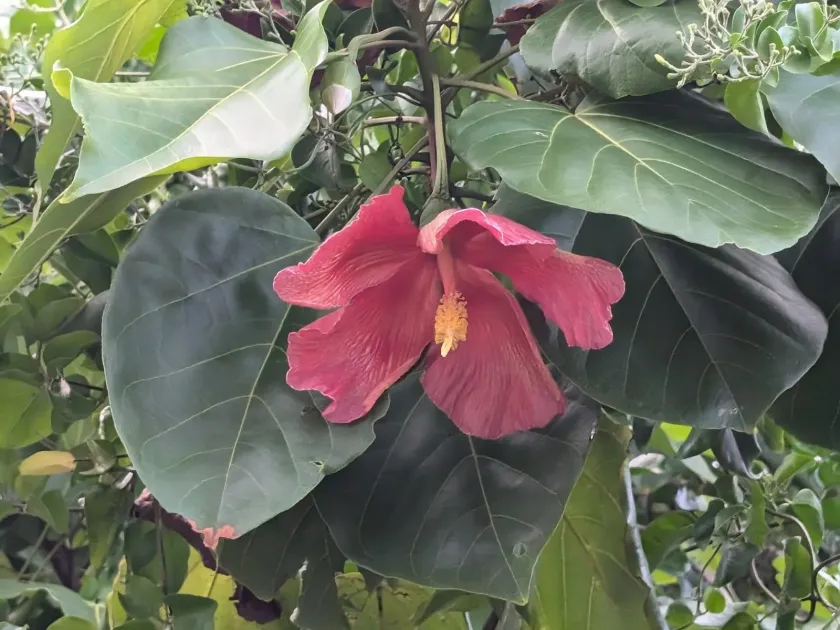
Description
Sowing dates
Propagation of Thespesia grandiflora is primarily achieved through seeds or semi-hardwood cuttings. Seeds typically require scarification to break dormancy and ensure uniform germination when planted in nutrient-rich, well-draining media.
The optimal sowing time is the onset of the rainy season, which provides the consistent moisture necessary for young seedlings to establish their root systems effectively. Germination requires high temperatures, ideally between +24 and +28 degrees Celsius.
Seedlings should be transplanted to their final locations once they reach a height of 40–60 centimeters and exhibit vigorous root development. Proper spacing is essential to accommodate the large crown size of mature trees.
During the first few months, young plants require protection from direct, intense sunlight to prevent excessive transpiration and foliage burn. Shade netting is recommended until the saplings have fully adapted to outdoor conditions.
Water management is critical during the initial growth phase; overwatering must be avoided to prevent root rot, while consistent moisture is necessary for sustained development.
Growing requirements
Thespesia grandiflora, a member of the Malvaceae family, is native to tropical rainforests and requires a consistent climate free from frost to thrive. Stable, warm temperatures are vital for its growth.
The species prefers deep, well-drained loamy soils with a neutral or slightly acidic pH. High soil fertility is essential to support the rapid biomass production required for both forestry and ornamental purposes.
While mature trees are somewhat tolerant of short dry spells, they have high water demands in their natural habitat. Waterlogging is detrimental and must be mitigated through proper land drainage systems.
Full sun exposure is necessary for healthy development. Shading significantly reduces the density of the crown and lowers flower production, which is a key aesthetic feature of the species.
In large-scale plantings, wind protection is essential. Strategic placement of windbreaks prevents mechanical stress and structural damage to the stems during tropical storms or high winds.
Yield
The primary economic use of Thespesia grandiflora is the production of high-quality timber, valued for its durability and color. Yield is determined by the annual growth rate and the final volume of biomass harvested per hectare.
With intensive management and balanced nutrition, the tree demonstrates impressive growth rates, reaching maturity for logging within 20 to 30 years. Regular pruning can influence stem quality and density.
The wood is highly sought after for its resistance to insect attacks and rot, making it a sustainable and profitable choice for timber plantations in tropical regions.
Beyond timber, the species is highly valued for urban landscaping. Yield in this context is measured by the frequency and duration of its showy floral displays, which add substantial aesthetic value to public spaces.
The species is also a prolific seed producer, making it an excellent candidate for ecological restoration projects and soil erosion control on sloped terrain.
Main diseases and pests
The most significant threat to Thespesia grandiflora is fungal infection of the root system, often caused by inadequate drainage. Early symptoms include chlorosis and limb dieback, which require immediate soil intervention.
Pests such as leaf-eating insects and aphids can cause considerable damage to juvenile foliage. Integrated pest management, including the use of targeted insecticides, is effective in preventing outbreaks.
Mature trees may be vulnerable to specific wood-boring insects, which can lower timber quality. Regular sanitary thinning and monitoring of the plantation are crucial for minimizing these risks.
Micronutrient deficiencies in depleted soils can lead to foliage discoloration and slowed growth. Periodic soil testing and the application of balanced fertilizer blends help maintain plant vigor.
Strict quarantine measures should be observed during the movement of planting stock to prevent the introduction of regional pathogens into new plantations.
Harvesting
Timber harvesting requires careful planning to ensure maximum material quality. Felling is best performed during the plant's dormant period to minimize moisture content and improve structural wood integrity.
Post-harvest, debarking should be immediate to prevent insect colonization and fungal growth. Lumber should then be sorted according to density and quality for specialized furniture manufacturing.
Drying is a critical stage; timber must be seasoned to a moisture content of 10–12% to ensure stability and prevent warping during the manufacturing process.
Seed collection is manual, occurring once fruits reach full maturity. Cleaned and calibrated seeds are then stored in controlled environments to maintain their viability for future plantings.
Long-term seed storage requires hermetic containers and low temperatures to prevent the rapid decline of germination potential characteristic of many tropical species.