
Thespesia garckeana
Thespesia garckeana
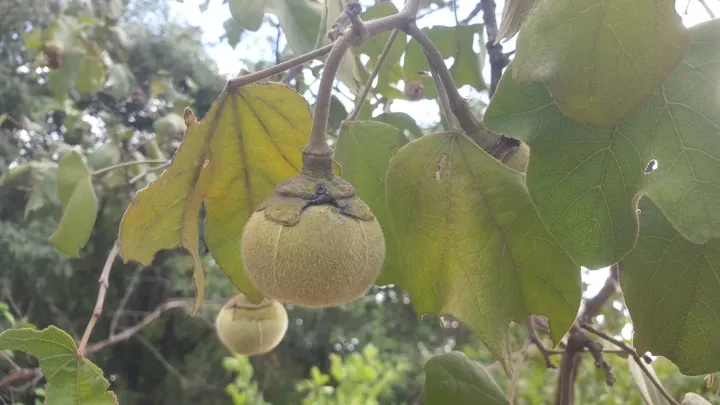
Description
Sowing dates
Propagation of Thespesia garckeana is primarily achieved through seeds in nursery environments. The seeds possess a hard coat, so scarification or soaking in warm water for twenty-four hours is recommended to improve germination rates.
Sowing should be done in a light, well-draining substrate to prevent root rot in the early developmental stages. The best time for sowing is during the warmer season when temperatures remain consistently high.
Once seedlings reach a height of 20 to 30 centimeters, they are ready to be transplanted to their permanent site in the field. The plant exhibits moderate to fast growth rates under optimal conditions.
When establishing orchards or agroforestry plots, spacing between trees is crucial to ensure each specimen has enough room for canopy development and resource access.
Young plants require consistent watering during the first two years of establishment. Once the root system is well-developed, the tree becomes highly tolerant to water scarcity.
Growing requirements
Thespesia garckeana belongs to the Malvaceae family and is native to the tropical and subtropical regions of Africa. It thrives in open, sunny locations and does not tolerate shade well.
The species is highly valued for its drought tolerance, making it an excellent crop for arid and semi-arid climates. It is well-adapted to seasonal rainfall patterns and heat.
The plant prefers well-drained soil, including sandy, loamy, or even rocky soils. It avoids heavy, waterlogged clay soils, as poor drainage significantly hampers its root health.
Ideal growth temperatures range from 20 to 30 degrees Celsius. As a tropical tree, it is sensitive to frost, which limits its commercial cultivation to frost-free regions.
Incorporating organic matter into the soil around the base of the tree can significantly boost overall health, growth vigor, and potential fruit yields.
Yield
The fruit of Thespesia garckeana consists of woody capsules containing a sweet, edible pulp. The yield varies based on the tree's age, local climate, and soil fertility.
Young trees may begin producing fruit after a few years, with yields increasing significantly as the tree reaches maturity. Fruits are typically harvested by hand as they ripen.
The pulp is eaten fresh and is known for its sweet, pleasant taste, often compared to dried fruit. It is an important source of nutrition in local traditional diets.
Besides fruit, the timber of Thespesia garckeana is highly prized for its durability and resistance to termite attacks, making it valuable for local construction and tool-making.
This multipurpose tree serves as a cornerstone of sustainable agroforestry in its native range, providing both essential food and high-quality building materials.
Main diseases and pests
Thespesia garckeana possesses natural resistance to many common tropical tree diseases due to the presence of phytochemicals in its tissues. This reduces the need for heavy pesticide usage.
Insect pests, such as leaf-eating caterpillars or wood-boring beetles, can occasionally threaten young seedlings, potentially damaging shoots and impeding early development.
High humidity and poor air circulation within the canopy may lead to fungal issues, often appearing as leaf spots. Pruning is essential to ensure adequate airflow through the branches.
Prevention is the best management strategy. Maintaining proper plant health through sanitation and avoiding overly dense plantings helps to minimize pest and disease pressure.
Farmers are advised to conduct regular monitoring of the orchard to detect any early signs of infestation, ensuring that any necessary control measures are applied promptly.