
Tetrorchidium didymostemon
Tetrorchidium didymostemon
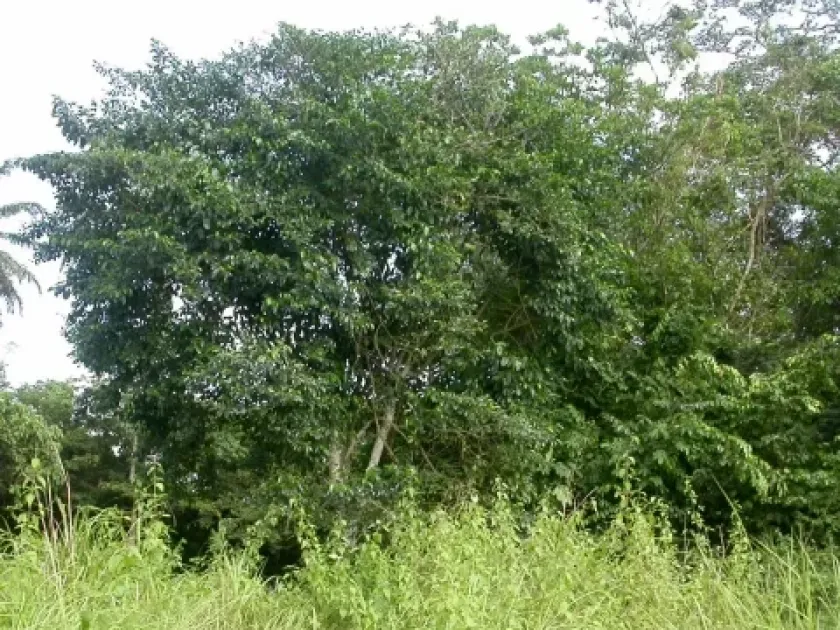
Description
Growing requirements
Tetrorchidium didymostemon is a tree species belonging to the Euphorbiaceae family, native to tropical regions of Africa. It is recognized as a fast-growing pioneer species that excels in regenerating disturbed forest habitats.
The plant thrives in equatorial climates characterized by high humidity, constant rainfall, and temperatures that do not fluctuate significantly throughout the year.
Ideal soil conditions for this culture include well-drained loamy soils rich in organic matter. While it is quite hardy in its native habitat, it requires adequate aeration around the root zone to prevent fungal root rot.
Botanically, it is characterized by simple leaves and small flowers, forming a canopy that provides essential shade for other forest flora. Its growth habit is naturally vertical, contributing to dense stand formation.
In terms of хозяйственное usage, the species is frequently utilized in reforestation projects due to its rapid biomass accumulation, which helps in soil stabilization and rapid recovery of forest ecosystems.
Main diseases and pests
The primary threats to Tetrorchidium didymostemon include various wood-rotting fungi that take advantage of high humidity and damaged woody tissue to infect the tree.
Insect pests, particularly boring beetles and leaf-chewing caterpillars, can cause significant damage to young saplings, potentially stunting their growth rate.
Agro-management strategies emphasize the importance of maintaining proper spacing between trees to ensure sufficient sunlight penetration and airflow within the stand.
Early detection of disease is critical, especially checking for discoloration of leaves or anomalous bark growth, which can indicate underlying parasitic infections.
Implementing integrated pest management (IPM) is essential to minimize the use of harsh chemicals, thereby protecting the delicate balance of the tropical environment.