
Tetraphis pellucida
Tetraphis pellucida
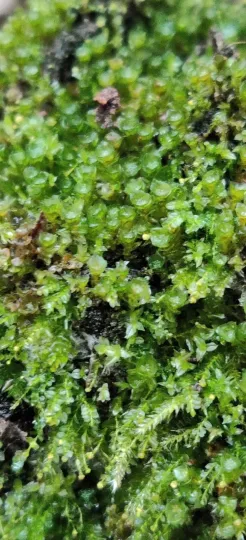
Description
Growing requirements
Tetraphis pellucida, commonly known as the transparency moss, belongs to the Tetraphidaceae family. It is a distinctive bryophyte that primarily colonizes decaying wood in northern temperate forests.
This moss species is widely distributed across the Northern Hemisphere. It thrives in humid, shaded environments, particularly on rotted stumps and fallen logs, where it forms dense, vibrant green cushions.
The cultivation requirements are strictly related to its natural habitat: high atmospheric humidity and protection from direct sunlight are essential. Excessive dryness will cause the plant to enter a dormant state or perish quickly.
Morphologically, Tetraphis pellucida is unique for its specialized gemmae cups. These cups contain vegetative propagules (gemmae) that allow the moss to reproduce asexually and spread rapidly across nutrient-rich wood surfaces.
While not a traditional cash crop, it is a significant organism in ecological studies, particularly in understanding nutrient cycling and succession on decaying woody debris in forest management.
Main diseases and pests
Habitat loss due to commercial logging and the removal of coarse woody debris remains the most significant threat to the survival of Tetraphis pellucida populations.
The species is highly sensitive to air pollution and chemical imbalances in the environment. Its presence is often used as a bioindicator of air quality and forest health.
Drought conditions driven by climate change disrupt the delicate moisture balance required for spore germination and the development of gemmae cups.
Competition from invasive species or faster-growing vascular plants often displaces the moss from its specialized niche when forest microclimates are disturbed.
Although it possesses natural defenses against decay, certain pathogenic micro-organisms in heavily contaminated soils can cause local decline in colony density.