
Tetramerista glabra
Tetramerista glabra
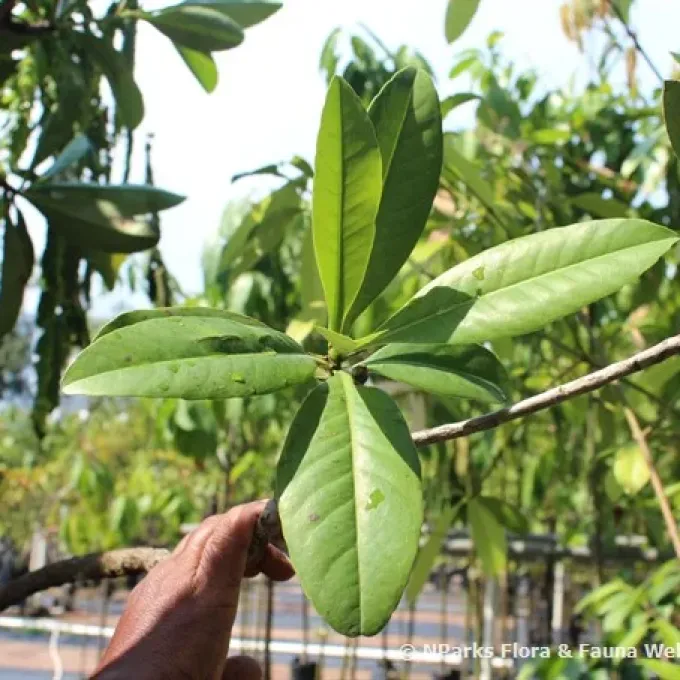
Description
Growing requirements
Tetramerista glabra is a large, evergreen tree species belonging to the family Tetrameristaceae. It is a dominant canopy tree in tropical regions, reaching heights of up to 40 meters and developing a stout trunk that can exceed 80 centimeters in diameter.
The natural range of this species covers the tropical rainforests of Southeast Asia, specifically in Malaysia, Indonesia, and Brunei. It is typically found in peat swamp forests and coastal areas, where the environmental conditions are challenging for most other plant life.
Climate requirements for this species are strictly tropical. It thrives in high-rainfall environments with constant warm temperatures throughout the year. Fluctuations in temperature or extended dry spells are detrimental to its healthy growth and survival.
Regarding soil requirements, Tetramerista glabra is specifically adapted to wet, acidic peat substrates. Its ability to tolerate low-nutrient environments makes it a specialist in its ecological niche, where the soil remains saturated with water for most of the season.
Botanical characteristics include dark, leathery foliage and small, simple flowers designed for pollination in dense forest environments. The tree possesses a wide-spreading, shallow root system, making it highly dependent on the soil's moisture content for structural support.
Yield
The economic value of Tetramerista glabra lies in its wood, commercially known as 'Punak'. This timber is characterized by its moderate density, light color, and good mechanical properties, making it suitable for various wood-based industries.
Punak wood is widely used for interior joinery, flooring, and furniture manufacturing. Its aesthetic appeal and ease of processing make it a preferred material for interior design applications in the regions where it is harvested.
Yielding timber from this species is primarily an extractive activity from natural forests rather than plantation forestry. Due to its slow growth rate, intensive harvesting without proper management plans leads to a rapid decline in the availability of this resource.
Sustainable yield management is currently the focus of forestry authorities in Southeast Asian nations. Establishing protected areas and implementing selective logging practices are essential to ensure the longevity of this tree species in its natural habitat.
Besides timber production, the ecological yield of the species is vital. By stabilizing the peat soil and acting as a carbon sink in swamp forest ecosystems, the tree provides invaluable services that support regional environmental stability.
Main diseases and pests
The primary threat to Tetramerista glabra is the rapid conversion of peat swamp forests into agricultural lands, particularly for oil palm plantations. This habitat loss destroys the very conditions the tree needs to mature.
Hydrological alteration through drainage schemes significantly impacts the tree's health. Lowering the water table prevents the roots from accessing necessary moisture, leading to the gradual decline and death of mature forest stands.
Forest fires, exacerbated by peat drying and climate change, are a major concern. Because the species is adapted to wet, swampy environments, it lacks natural fire resistance, making it highly susceptible to total loss during fire incidents.
Pest and disease outbreaks can become a threat when trees are stressed by external ecological factors. Wood-boring insects and root rot fungi are common issues in degraded forest areas where the natural balance has been disrupted.
- Habitat loss due to land clearing.
- Drainage of peatlands for industrial agriculture.
- Increased risk of large-scale wildfires.