
Square bamboo
Tetragonocalamus quadriangularis
Description
Growing requirements
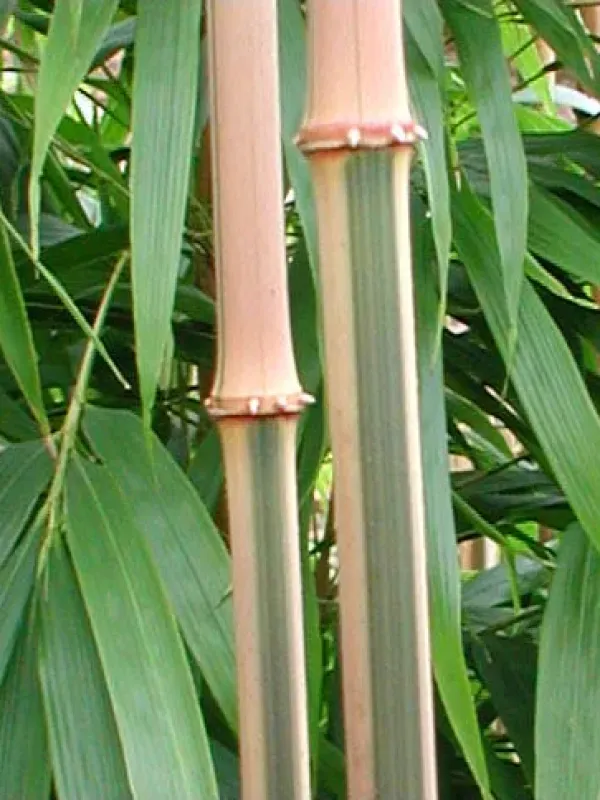
Square bamboo (lat. Chimonobambusa quadrangularis) is a distinctive member of the Poaceae family. It is globally recognized for its unique quadrangular stem cross-section, which stands in stark contrast to the rounded culms typical of most other bamboo species in agricultural or ornamental use.
The species originates from the temperate and subtropical mountainous regions of China and Japan. In these natural habitats, it thrives in cool, moist forest environments with consistent air humidity. It is relatively cold-tolerant compared to tropical varieties but requires shelter from harsh winter winds.
Regarding soil requirements, square bamboo demands fertile, well-drained substrate. It flourishes in soils rich in organic matter that allow for moisture retention without allowing water to stagnate. Poorly drained heavy clays can lead to the rapid development of root-related issues.
Agricultural management requires careful moisture control. During the peak growth season, the bamboo needs frequent irrigation to support the rapid development of its rigid, square-shaped stems. Mulching is a crucial practice to maintain soil moisture levels and protect the shallow root system from extreme weather changes.
Maintenance of a bamboo grove involves structural pruning. Removing dead or overcrowded stems at the base of the plant ensures that younger, healthier shoots receive adequate sunlight and nutrients. This management technique promotes the longevity and vigor of the entire clump.
Main diseases and pests
Spider mites represent a frequent threat, particularly when humidity levels drop below optimal parameters. Infestations are characterized by yellowing of the leaves and fine webbing. Horticultural management includes using acaricides and increasing local humidity levels to discourage these pests.
Fungal infections, such as rust and leaf spot, are common if there is insufficient airflow within the bamboo thicket. Pruning away excessive growth is essential to ensure good ventilation, which is the primary cultural practice to keep fungal proliferation under control.
Root rot is the most serious agricultural concern for this bamboo. It is often triggered by poor site selection where water accumulates near the rootstock. Once established, this condition is difficult to treat, making prevention through proper site drainage the most effective strategy.
Aphids can also cluster on the tender tips of new shoots, potentially spreading viruses. Regular monitoring is essential; a simple spray of pressurized water or insecticidal soap is usually sufficient to address minor outbreaks before they compromise the aesthetic value of the stems.
Maintaining the overall health of the plant through balanced fertilization and correct spacing prevents most infestations. A well-nourished bamboo plant is naturally more resilient to environmental stressors and biological threats, ensuring better productivity and growth.