
Tersonia cyathiflora
Tersonia cyathiflora
Description
Growing requirements
Tersonia cyathiflora is a distinctive shrub species belonging to the Gyrostemonaceae family. Native to Western Australia, it has evolved to thrive in arid and semi-arid environments where nutrients are often scarce.
The primary cultivation requirement for this species is exceptional soil drainage. It is naturally adapted to sandy and rocky soils where water rapidly infiltrates, preventing the development of root-related pathogens.
Full sun exposure is critical for the healthy development of Tersonia cyathiflora. The plant exhibits high heat tolerance and is capable of enduring prolonged droughts, reflecting its native Mediterranean-influenced climate.
Soil pH should generally remain neutral to slightly acidic, typical of the coastal and inland sands of Australia. Avoiding the addition of heavy organic matter is essential to maintain the plant's natural health.
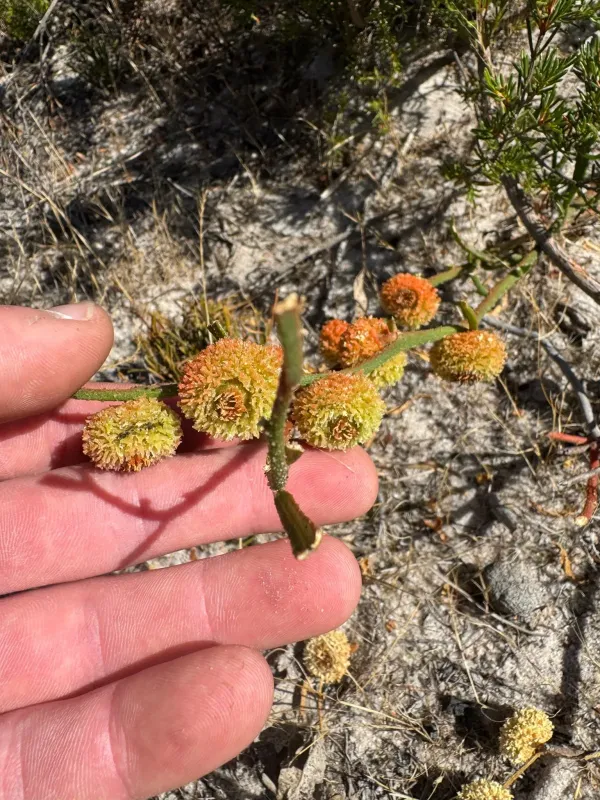
The plant features unique cupped flowers that are specialized for local pollinators. Its growth habit is compact and woody, making it a stable component of its native scrubland ecosystem.
Main diseases and pests
Root rot is the most common threat to Tersonia cyathiflora. Excess moisture in the soil, combined with high humidity, quickly compromises the root system and leads to rapid plant decline.
Pests, such as aphids and spider mites, may target the succulent or tender portions of the plant. Monitoring is necessary, especially when the plant is grown in greenhouse or non-native conditions.
Fungal leaf spot diseases may appear if the foliage is kept consistently wet. Ensuring adequate air circulation around the canopy is a vital preventative measure for any cultivation efforts.
Improper fertilization can be detrimental to the plant. Excessive nitrogen promotes soft, weak growth that attracts insects and becomes more susceptible to environmental stressors and infections.
Lack of environmental monitoring can cause the plant to struggle. Because it is highly adapted to a specific niche, any deviation from its environmental preferences typically results in a loss of vigor and potential mortality.