
Temu
Temu cruckshanksii
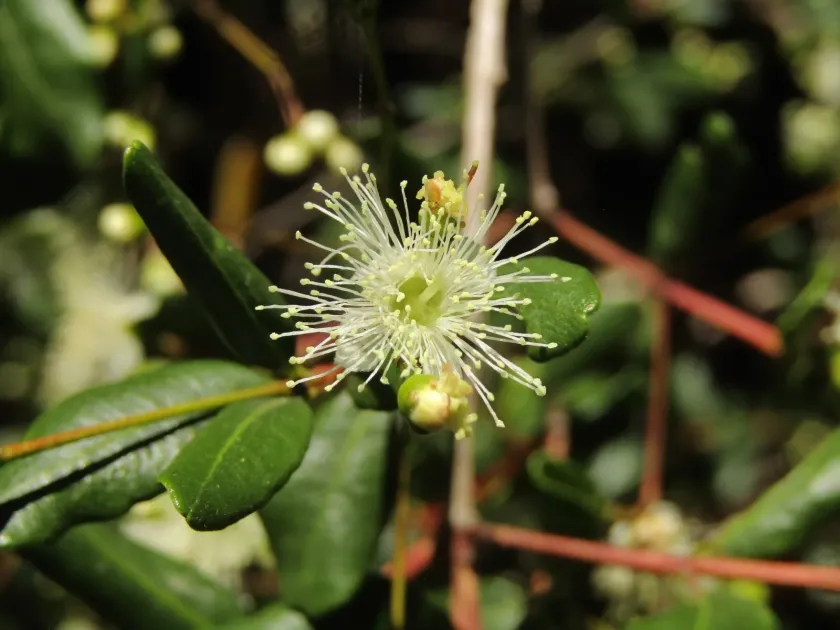
Description
Sowing dates
Temu, scientifically known as Temu cruckshanksii, is a woody plant species belonging to the Myrtaceae family, native to the temperate regions of South America.
Propagation is typically carried out using seeds, which benefit significantly from a stratification process to break dormancy and ensure uniform germination rates.
The optimal sowing period occurs in early spring, once the danger of frost has passed, ensuring the soil has reached an adequate temperature for root development.
Vegetative propagation via cuttings is also utilized to maintain genetic consistency, requiring a sterile, well-draining substrate and high humidity levels for success.
Special care must be taken during the seedling stage to provide adequate spacing, which prevents overcrowding and allows for proper air circulation as the plants mature.
Growing requirements
The species thrives in well-drained, slightly acidic soils that are rich in organic matter, supporting robust root system health and vigorous vegetative growth.
Temu requires a consistent moisture level but is sensitive to waterlogging, necessitating proper soil drainage management to prevent root rot and other moisture-related issues.
Climate adaptation is key for this plant, as it prefers mild temperatures and avoids extremes, making it suitable for maritime or temperate continental environments.
Providing sufficient sunlight is crucial, although young plants may benefit from partial shade during the hottest parts of the day to prevent leaf scorch.
Regular monitoring of nutrient levels is recommended, with balanced fertilization schedules being employed during the peak growth months to optimize plant vigor.
Yield
The yield of Temu is fundamentally influenced by tree maturity, site-specific soil fertility, and the implementation of sound horticultural practices.
Proper pruning techniques are essential to manage tree structure, ensuring light penetration throughout the canopy and promoting better fruit set across the branches.
Yield capacity tends to increase as the tree develops, though periodic fluctuations in production are often observed due to biological cycles inherent to the species.
Efficient irrigation management during the critical fruit-filling stage is a primary factor in maximizing both the quantity and quality of the harvest.
Strategic nutrient application, particularly potassium-based fertilizers, enhances fruit size and sweetness, significantly impacting the commercial value of the crop.
Main diseases and pests
Fungal pathogens represent the most significant threat to Temu, especially when humidity levels remain high for extended periods, encouraging the spread of spores.
Various sucking insects, including scale insects and mites, can infest the foliage, leading to decreased photosynthetic capacity and overall tree stress.
Root rot remains a chronic issue in sites with heavy soil types or poor drainage, requiring proactive management through soil amendments and water scheduling.
Integrated pest management strategies are recommended to minimize the reliance on chemical inputs while effectively controlling potential outbreaks in the orchard.
Regular sanitation, including the removal of dead or diseased wood, is a mandatory practice for maintaining long-term plantation health and preventing pathogen buildup.
Harvesting
The harvest phase requires careful monitoring for color change and textural softening, which serve as primary indicators of physiological maturity in the fruit.
Hand-harvesting is strictly recommended to avoid mechanical bruising, as the fruit’s delicate skin is highly susceptible to damage during more intensive collection methods.
Rapid post-harvest cooling is required to reduce the rate of senescence, as the fruit has a short shelf life under ambient conditions if not properly handled.
Packaging should utilize breathable materials to manage humidity levels inside containers, thereby reducing the incidence of rot during transport to the marketplace.
Shortening the supply chain through efficient logistics is essential to ensure that the fruit reaches the end consumer in optimal condition and with maximum flavor.